 Rankblocks
The Best Platform for AI Visibility Metrics: Tracking Citations, Mentions, and Rankings Together

Your customers stopped scrolling ten blue links. They ask ChatGPT, Perplexity, and Google AI Overviews instead, and that is where the traffic went. If you cannot see whether those tools mention your brand, you are guessing. ChatGPT already answers over 900 million people a week, which is where those buying questions now start.
Here is the problem. Most tools track AI citations or Google rankings, never both. You pay for one dashboard that shows AI mentions, another for keyword ranks, and they never talk to each other.
This list ranks the best platform for AI visibility metrics by one strict test. Does it track citations, mentions, and rankings together, then fix the gaps on autopilot? We evaluated each AI visibility tracking tool on engine coverage, prompt-level detail, and whether it closes the loop from measure to publish.
What AI visibility tracking tools actually measure (and why one dashboard matters)
AI visibility tracking and SEO rank tracking are two different systems inside one buying journey. Rank tracking tells you where your page sits in Google results. AI visibility tells you whether ChatGPT names your brand when someone asks a buying question.
These numbers diverge more than most owners expect. A page ranking number one on Google can stay completely invisible inside a ChatGPT answer for the same query. The AI picks its own sources using citation logic that ignores your ranking. ChatGPT's audience keeps expanding, per Backlinko's data.
A serious platform reports four metrics. Citations show which sources the AI links. Mentions show when your brand gets named without a link. Share of voice compares you against rivals. Sentiment shows how the AI describes you.
Prompt-level detail matters more than any aggregate score. An overall "visibility 62" number tells you nothing you can act on. Seeing that ChatGPT recommends a competitor for "best plumber near me" tells you exactly what to fix.
Tracking and fixing inside one platform beats stitching two tools together. Data silos slow you down and hide the connection between a citation gap and a ranking drop.
5 criteria that separate strong AI visibility platforms from dashboard-only trackers
Not every AI visibility tracking tool earns its subscription. The weakest ones stop at a pretty chart. Use these five criteria to separate real platforms from expensive dashboards.
- Multi-engine LLM coverage. ChatGPT, Claude, Gemini, and Perplexity are the baseline, not a premium add-on. A tool covering only one engine misses most of where buyers now ask questions.
- Prompt-level tracking. You need to see the exact queries that surface your brand versus the ones that hand the answer to a competitor. Aggregate scores hide the prompts you actually need to win.
- Competitive benchmarking with named rivals. Your own trend line is half the picture. A strong AI visibility monitoring tool shows which competitor gets cited when you do not, by name.
- Google Search Console integration. AI citations and classic rankings reinforce each other. Connecting them in one view lets you see whether a new article earned both a citation and a ranking lift.
- Automated content workflows. The best automated SEO tool fixes the gaps it finds. Flagging a problem is easy. Writing and publishing the content that closes it is the part most tools skip.

Score any platform against these five before you pay. If it fails the last two, you own a report, not a solution.
Top 6 AI visibility tracking tools for citations, mentions, and rankings
We ranked these platforms by how completely they close the loop from measurement to published content. The winner tracks and fixes in one plan. The rest each do part of the job well.
Rankblocks
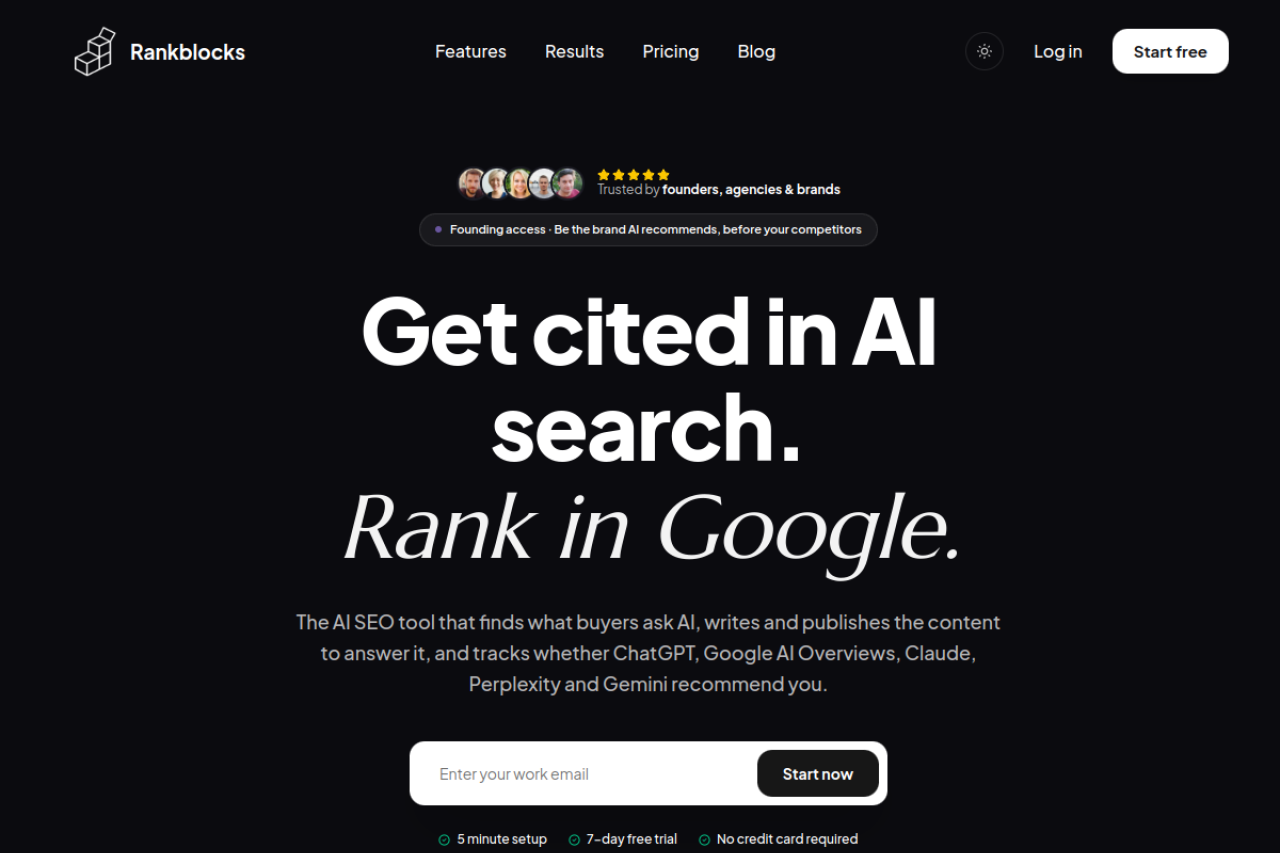
Rankblocks closes the full loop in one plan. It combines the AI Visibility Tracker, Keyword Tracker, live GSC Dashboard, and AI Content Writing Engine so you never hand data between tools. That is the reason it leads this list.
It covers ChatGPT, Claude, Gemini, and Perplexity with prompt-level citation data. You see which prompts name your brand and which recommend a rival instead. The AI Visibility Tracker shows both the citation and the competitor taking your spot.
The difference is the AI Content Writing Engine. When the platform finds a citation gap, it writes and publishes content built to earn that citation, no manual handoff. The Keyword Tracker and GSC Dashboard then connect that content directly to Google rankings.
Best for SMBs, solo operators, agencies, and in-house SEOs who want one automated platform instead of three subscriptions. Non-technical owners get plain-language proof it works. The trade-off is that it is a growing platform, not a legacy enterprise suite.
Profound
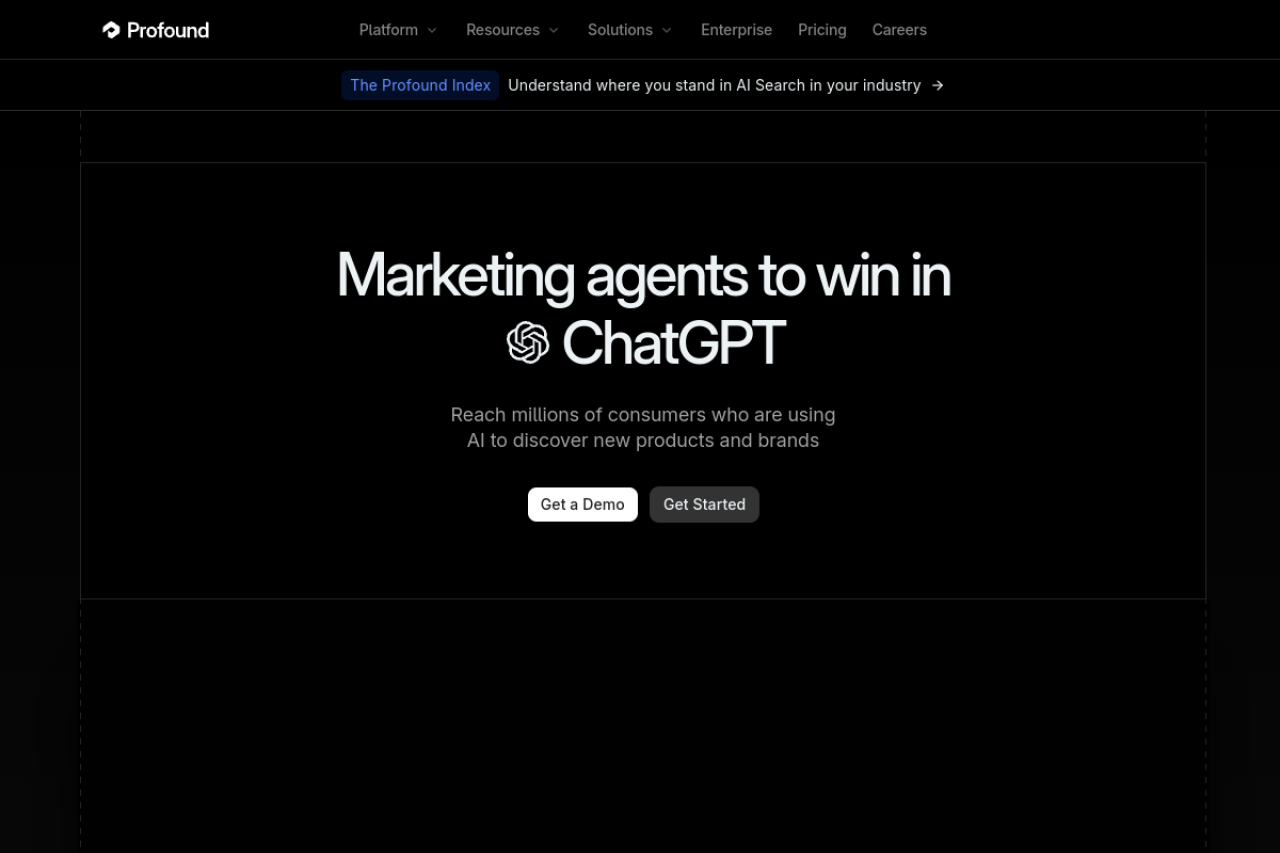
Profound is an enterprise-grade AI visibility platform tracking 10 or more answer engines. It leads on breadth of engine coverage and depth of reporting.
It is known for detailed citation analysis and competitive share-of-voice reporting. Large teams use it to monitor brand mentions across a wide surface.
Best for large enterprise teams and regulated industries with significant budgets. The main limitation is that it has no built-in automated content writing. It tells you where the gaps are, then leaves the fixing to your team.
Peec AI
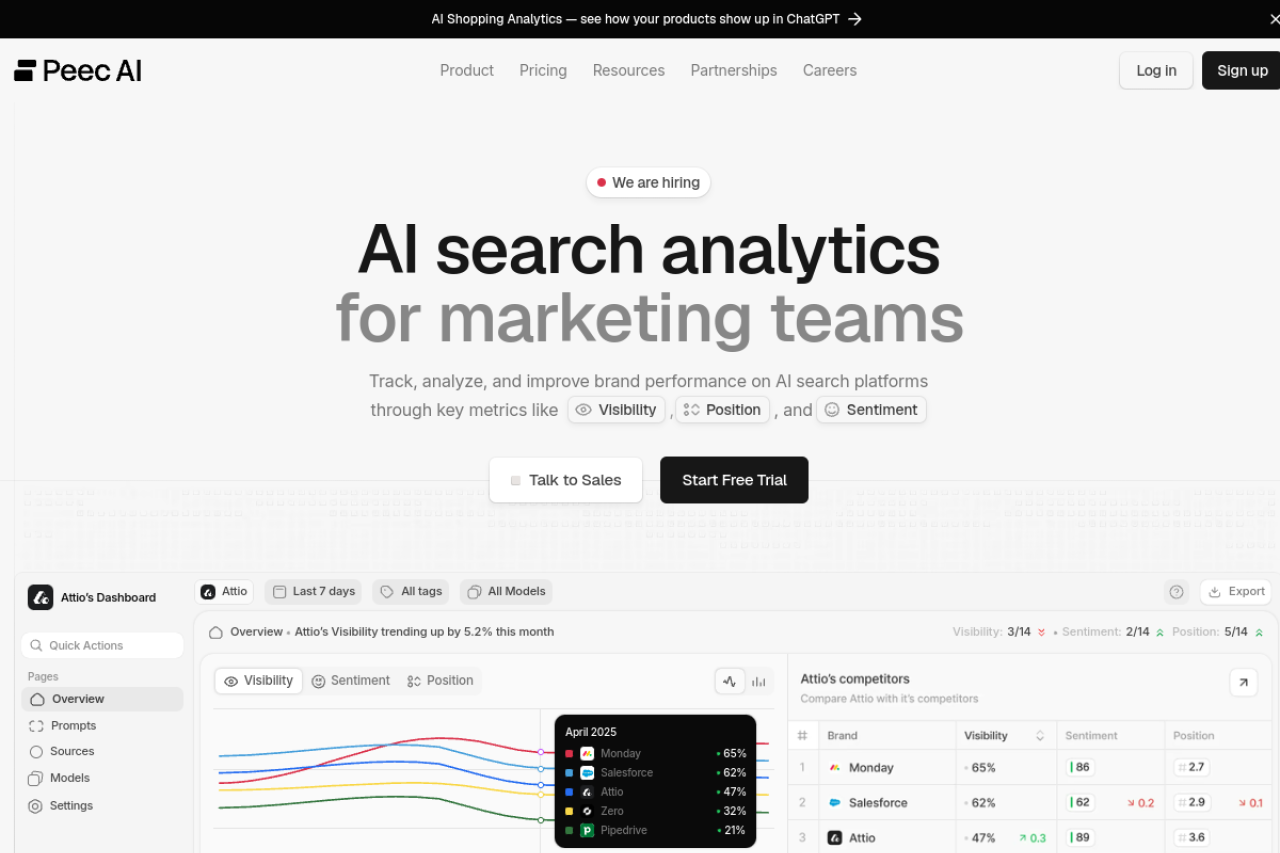
Peec AI is a purpose-built AI citation tracking tool with clean competitor benchmarking. The interface makes it easy to read where you stand against named rivals.
It performs well for monitoring brand mentions across major LLMs. Teams that want tracking without extra features like it.
Best for teams that only need tracking and handle content work separately. The limitation is the missing closed loop. A gap you find in Peec must get fixed in another tool, which recreates the data silo problem.
Searchable
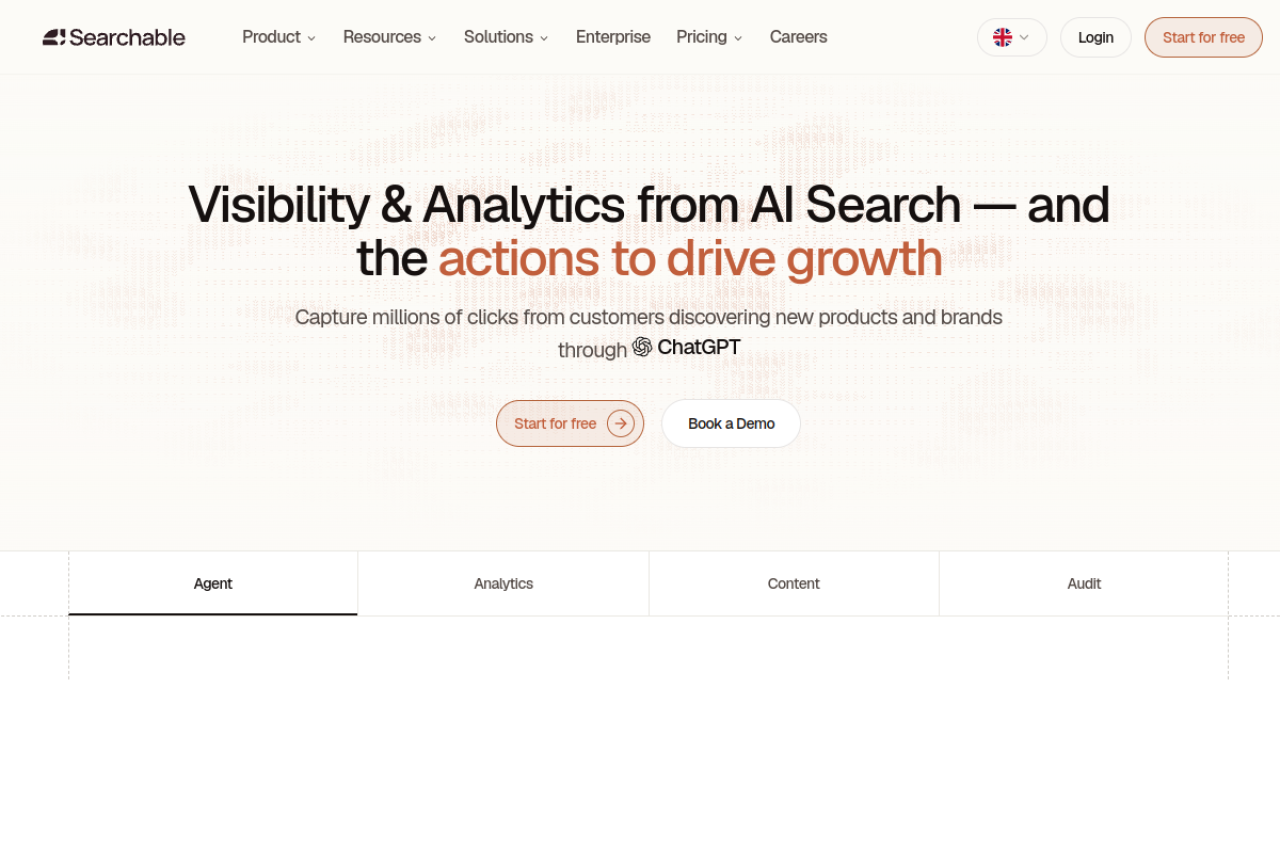
Searchable focuses on answer engine optimization with citation and content gap identification. It ties AI visibility to organic search data in one view.
It offers traffic and ROI views alongside AI visibility metrics. That helps practitioners connect mentions to outcomes.
Best for SEO practitioners who want organic and AI data in a shared workflow. The limitation is engine coverage that runs narrower than dedicated pure-play trackers. If you need every answer engine, check the list before you commit.
Mangools
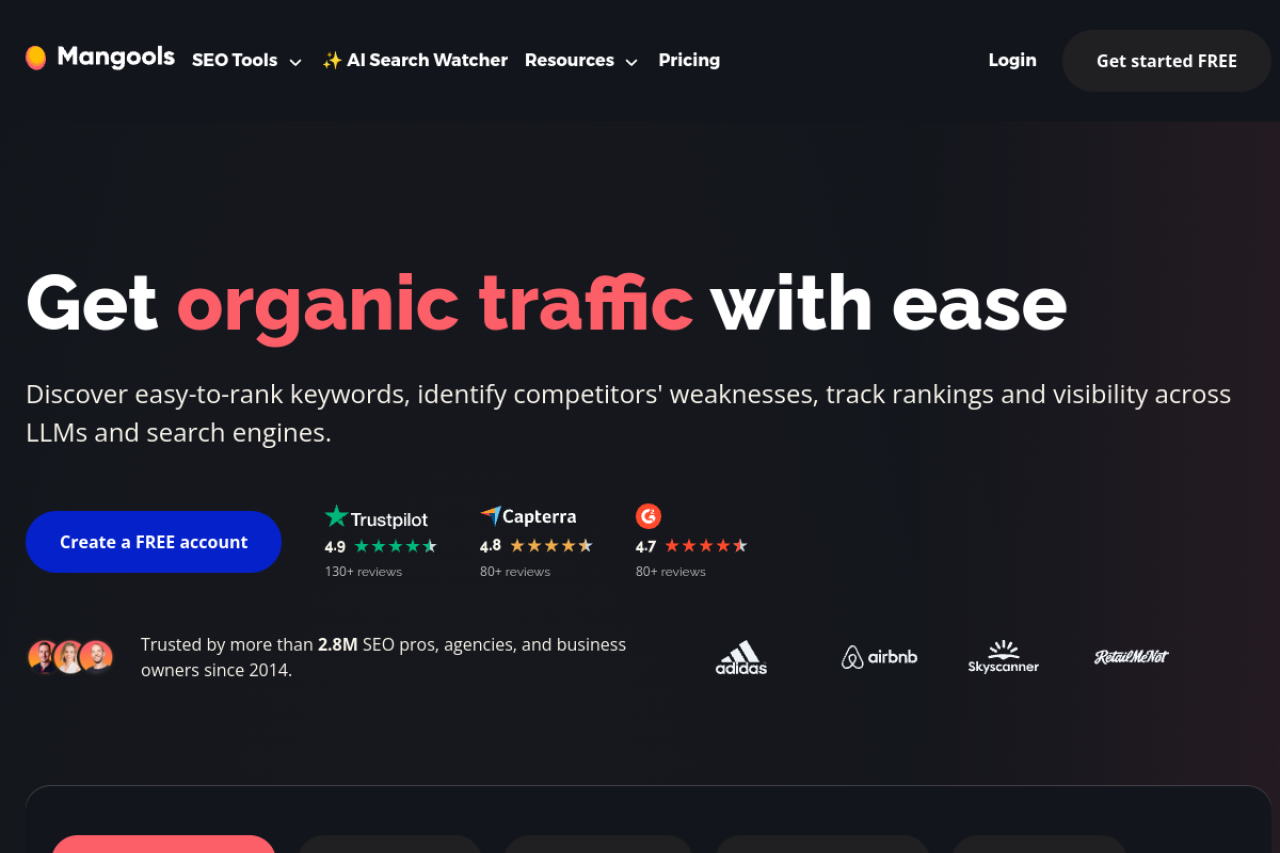
Mangools is an established SEO suite that added AI visibility features alongside its keyword and rank tracking. Teams already using it get a familiar interface.
It works for teams standardized on Mangools who want basic AI mention data next to their existing tools. The keyword tracking and rank features remain solid.
Best for teams already on Mangools who need light AI mention data. The limitation is depth. AI visibility is a newer layer here, and it trails platforms built specifically for citation tracking.
Clearscope
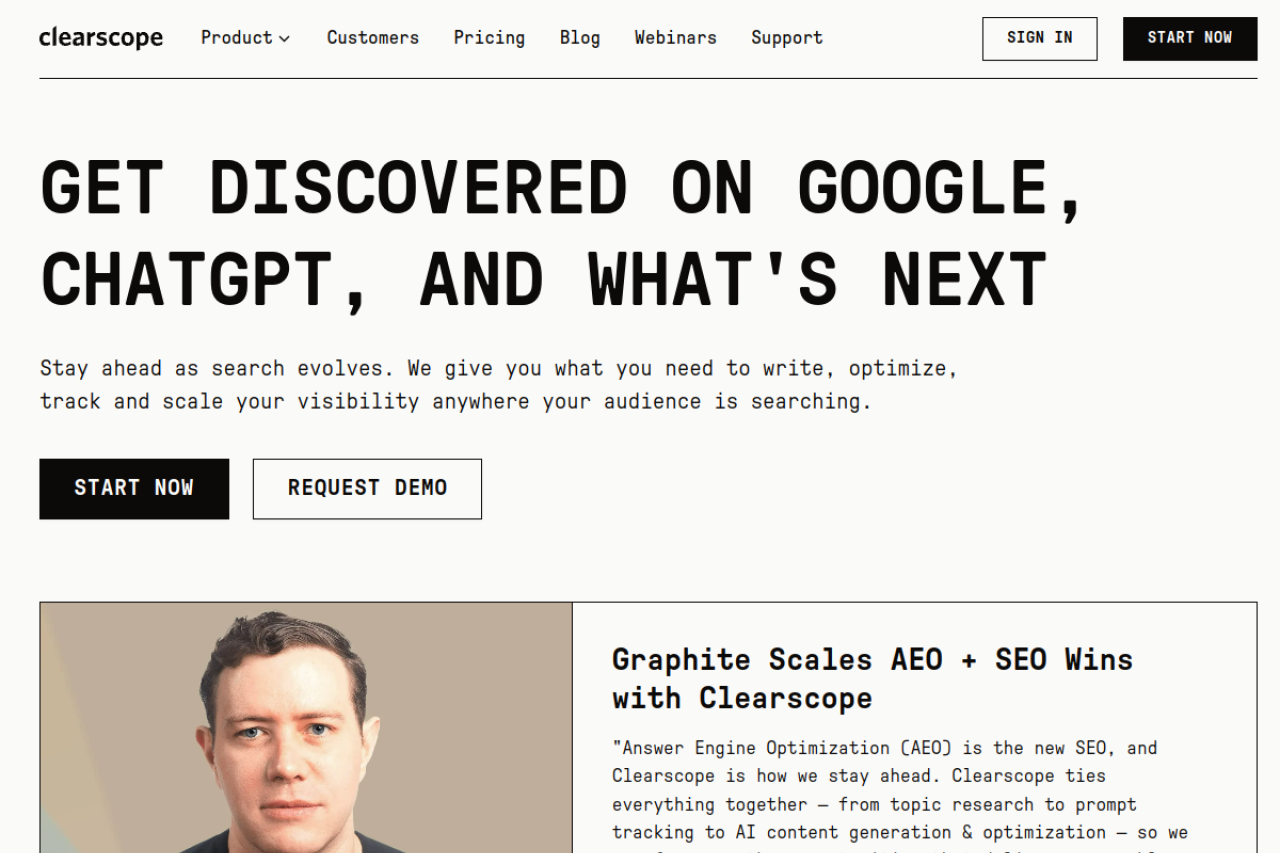
Clearscope is a content optimization platform that added AI citation tracking to its scoring workflow. Writers know it for its editor and content grading.
Its strength is integration with the Clearscope editor. You optimize content and see AI mention data in the same place.
Best for content teams who already optimize inside Clearscope and want AI mention data alongside. The limitation is scope. AI tracking here is an extension of a content tool, not a standalone AI visibility software system.
At a glance: how these platforms compare
Scan the table to self-qualify fast. The columns that matter most are Google rankings integration and automated content fix, because those two separate a full loop from a report.
| Platform | LLM engines | Google rankings | Auto content fix | Best for |
|---|---|---|---|---|
| Rankblocks | ChatGPT, Claude, Gemini, Perplexity | Yes, live GSC | Yes | SMBs, solos, agencies, in-house SEOs |
| Profound | 10+ engines | Limited | No | Enterprise, regulated industries |
| Peec AI | Major LLMs | No | No | Tracking-only teams |
| Searchable | Narrower set | Yes | Partial | SEO practitioners |
| Mangools | Basic AI layer | Yes | No | Existing Mangools users |
| Clearscope | AI citation add-on | No | No | Clearscope content teams |
Rankblocks is the only pick here that closes the full loop, from finding a gap to publishing the fix. Profound and Peec AI stop at reporting. Mangools and Clearscope bolt AI data onto an existing tool.
Pricing splits along the same line. Enterprise platforms like Profound target big budgets, while cheaper AI visibility software fits SMBs and solo operators. Automation depth is the fastest thing to check during a trial. A dashboard with no fix is just a more expensive problem.
One platform that tracks, writes, and publishes so you stop paying for three
Buying a tracker, a content tool, and an SEO suite separately costs more and creates data silos. Three logins, three bills, and no single view of whether your work moved the needle. Most owners cannot afford that, and most do not have time to run it.
Rankblocks removes the stitching. The AI Visibility Tracker, Keyword Tracker, and AI Content Writing Engine form one closed loop. Gaps found become content published and rankings measured in a single run, on autopilot.
That design fits teams without a dedicated SEO hire or agency budget. The platform works between logins, not just during them. It finds the buyer questions where you are invisible, writes content built to earn citations, and measures the result.
Search is one overlapping discipline now. The same content that earns an AI citation also ranks on Google, so you win both from one workflow. That is the point of the best platform for AI visibility metrics.
Want to see if ChatGPT already mentions your brand? Run a free audit and start tracking your AI citations and Google rankings in the same dashboard today.
Frequently asked questions about the best platform for AI visibility metrics
What is the difference between AI visibility tracking and SEO rank tracking?
SEO rank tracking measures where your site sits in Google results. AI visibility tracking measures whether an AI answer names or cites your brand for the same query. They are separate systems, and a page ranking number one can still get no mention inside ChatGPT.
Which AI engines should a good visibility platform cover as a minimum?
A serious AI visibility monitoring tool must cover ChatGPT, Claude, Gemini, and Perplexity as the baseline. Buyers use all four, so tracking only one engine leaves most of your visibility invisible. Enterprise tools add more, but those four are non-negotiable.
Why is AI visibility tracking so inconsistent across tools?
AI answers change between prompts, sessions, and model updates, so two tools can report different numbers for the same brand. Sampling method and prompt sets differ across platforms. Prioritize a tool that shows prompt-level detail, so you can verify the number instead of trusting a single score.
How do I track my AI visibility without hiring an agency or a complex tool?
Use a platform that automates the whole find-write-publish-measure loop in plain language. Rankblocks connects to Google Search Console in one click and reports AI citations and rankings together. You get visible proof it works without learning SEO or AEO yourself.
Which platform automatically writes content to fix the citation gaps it finds?
Rankblocks does. Its AI Content Writing Engine writes and publishes articles engineered to earn AI citations and rank on Google, using your Brand Kit for voice. Most competitors stop at reporting, so the content work falls back on you.