
 Rankblocks
SEO vs SEM: A Budget Guide

Most budget guides treat search as a paid-versus-organic coin flip. Pick one, fund it, hope for the best. That framing is broken.
In reality, three channels fight for your dollar. Google organic, paid search, and AI answers. Miss the third and you lose deals before SEO or SEM even competes.
This guide skips the definitions you already know. Instead, you get real cost benchmarks, a stage-by-stage allocation framework, and a clear read on where AI-search visibility fits. The seo vs sem question always comes back to one thing. Runway. Short runway changes the answer completely. Long runway changes it again. Let's break down the numbers.
What SEO and SEM actually cost at your budget level
SEO means organic optimization. You improve content, technical health, and authority. There is no per-click charge. You pay for the work, not the traffic.
SEM means paid search. Google Ads and PPC campaigns charge you every time someone clicks. Pause the campaign, and the traffic stops the same day.
Here is what each channel costs a small-to-mid-sized business per month.
| Channel | Monthly cost range | What you pay for | What happens when you stop |
|---|---|---|---|
| SEO | $500 to $5,000 | Content, technical, authority | Traffic keeps flowing |
| SEM | $1,000 to $10,000 | Clicks and ad management | Traffic drops to zero |
Competitive niches push SEM far past that upper range. Legal, finance, and B2B SaaS keywords carry some of the highest costs per click anywhere.
The seo vs sem cost gap hides a bigger difference. SEO spend builds an asset. Every article you publish keeps working for months after you pay for it. SEM spend rents attention. The moment your card declines, your visibility vanishes.
For a deeper look at what fair rates cover, our SEO pricing breakdown maps spend to real deliverables.
How long before each channel delivers results
Timing separates these two channels more than cost does. SEM delivers traffic within hours. SEO makes you wait, then rewards patience.
Launch a paid search campaign this morning and you can see clicks by lunch. That speed is why founders under pressure reach for it first.
SEO moves on a longer clock. Expect 3 to 6 months before you see meaningful organic traffic. Compounding returns usually land between 9 and 12 months as authority builds.
The ROI trajectory tells the real story. SEO returns average around 5.3x over time, and top performers reach 10 to 15x as content stacks up. SEM ROI stays flat or slips as costs per click keep rising without constant optimization.

So what do you do during the SEO gap? Use SEM as a bridge, not a permanent home. Run paid search to capture demand while your organic content matures. Then shift budget as rankings climb. The mistake is treating paid search vs organic as a permanent either-or when the smart play is sequencing.
Which channel deserves your next dollar, by business stage
There is no universal ratio. Your business stage decides the split. Here is a framework you can apply this week.
Pre-revenue or early-stage. Short runway favors SEM. You need demand capture now, not in nine months. Run tight, high-intent campaigns and learn which keywords convert.
Growth stage with 12+ months of runway. Split your search marketing budget roughly evenly between SEO and SEM. Start balanced, then tilt toward SEO as your content library grows and earns rankings.
Scaling stage. Shift the majority of your budget toward SEO. Organic authority compounds, and your cost per acquisition drops as paid dependence falls.
Signals to rebalance
Watch for these triggers and move budget accordingly.
- SEM costs climbing while conversions fall. Redirect that spend into SEO content that compounds.
- A product launch, seasonal push, or fast entry into a new market. Lean into SEM for immediate reach.
- Organic rankings maturing across your core topics. Trim paid spend and let organic carry more load.
Founders often ask whether google ads vs seo is a permanent decision. It is not. It is a dial you turn as your runway and rankings change. Track your positions with a rank tracker so you know exactly when to turn it.
The third channel most budget guides ignore: AI-search visibility
Buying behavior shifted. People now ask ChatGPT, Perplexity, and Google AI Overviews instead of scrolling ten links. They get an answer, not a page of options. Gartner predicts traditional search engine volume will drop 25% by 2026 as AI chatbots take market share from paid and organic channels.
That means AI answers often decide the purchase before a user clicks a single paid ad or organic result. If a model recommends your competitor, you lost the deal at the top of the funnel. SEO and SEM never even got a shot.
Here is the part most guides miss. AEO and GEO are not a separate silo. Content that wins AI citations also ranks in Google. The signals overlap heavily, so AEO and GEO reinforce the same organic investment.
The budget implication is simple. AI-search visibility is not a new line item. It is how you write and structure the SEO content you already fund. Same spend, wider surface.
If ChatGPT keeps naming rivals instead of you, our breakdown of why ChatGPT recommends competitors shows the fix. Brands invisible in AI answers keep losing deals that never reach their funnel.
How to run SEO, SEM, and AEO together without extra headcount
You do not need three teams or three retainers. You need one workflow that feeds all three channels from the same data. Here is how it fits together.
Start with your SEM data. Your converting keywords and top queries are proof of real demand. Use them to brief your SEO and AEO content targets so you write only what buyers actually search.
Then publish content built to win twice. The same article should rank in Google and earn citations in AI answers. That dual purpose is the whole point of treating search as one discipline. Our take on whether AEO replacing SEO is real explains why you need both.

Measurement ties it together. Track brand mentions and citations across ChatGPT, Claude, Perplexity, and Gemini alongside your Google rankings. Learning to track AI citations tells you where you win and where a competitor beats you.
Finally, watch Search Console data in plain language. Catch ranking drops and reallocate budget before traffic falls. Pair that with the metrics that matter for AI search and you report up with proof, not guesses.
One platform for gap finding, content publishing, and results measurement beats three fragmented tools. Fewer logins, less context-switching, faster decisions. See how AI visibility tools differ in what they track and how they connect to your content workflow.
Top 5 platforms for managing SEO, SEM, and AI-search visibility
The right tool decides whether you run one workflow or juggle five. Here are five platforms, starting with the one built to close the full loop.
Rankblocks
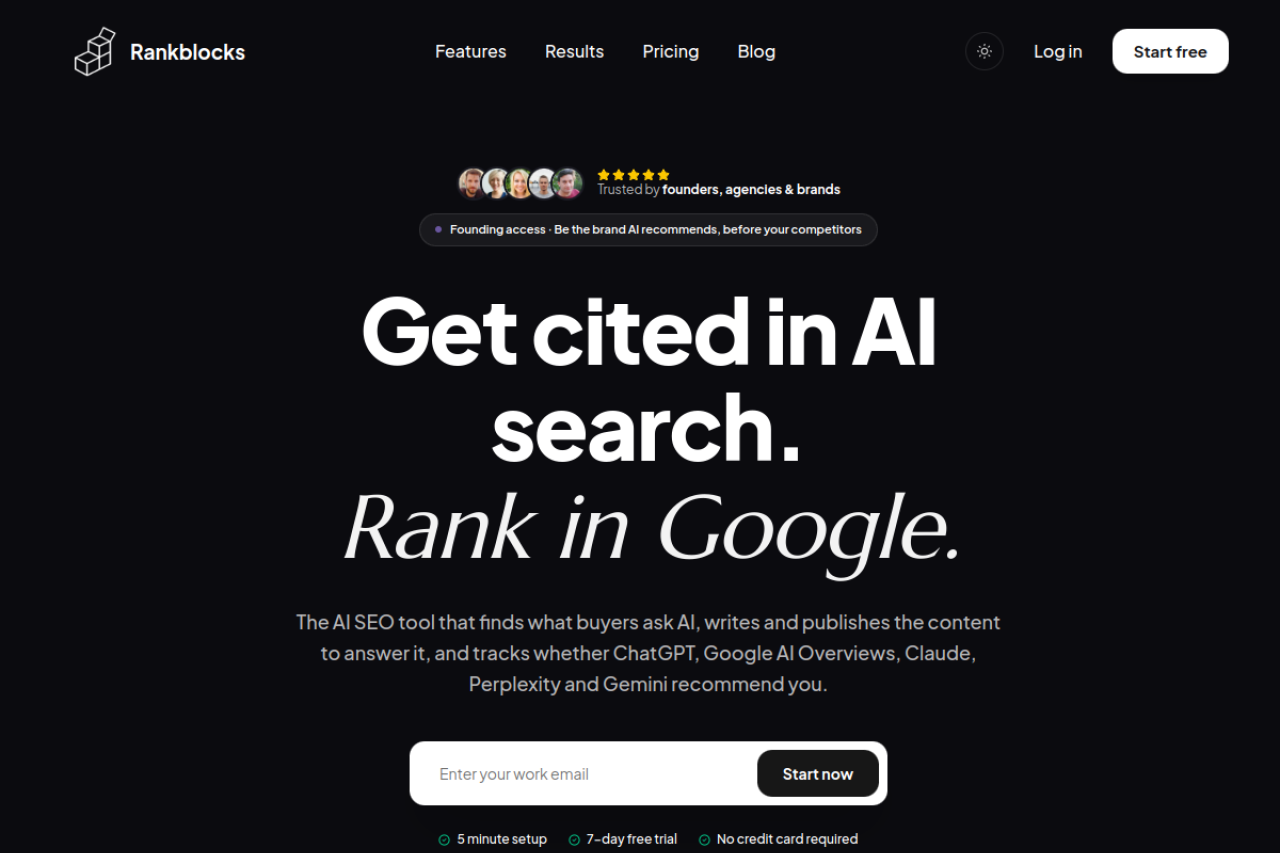
Rankblocks runs the whole cycle in one place. It combines Content Gap Analysis, an AI Content Writing Engine, an AI Visibility Monitor, a Keyword Rank Tracker, and a Live Search Console Dashboard.
It finds the buying questions where your brand is invisible in AI answers. Then it publishes content to fix the gap and tracks both citations and Google rankings to prove the return.
Best for. B2B and SaaS founders, ecommerce owners, and agencies that want gap-to-published-to-measured in one platform. No fragmented tools and no agency retainer needed to execute.
Surfer SEO
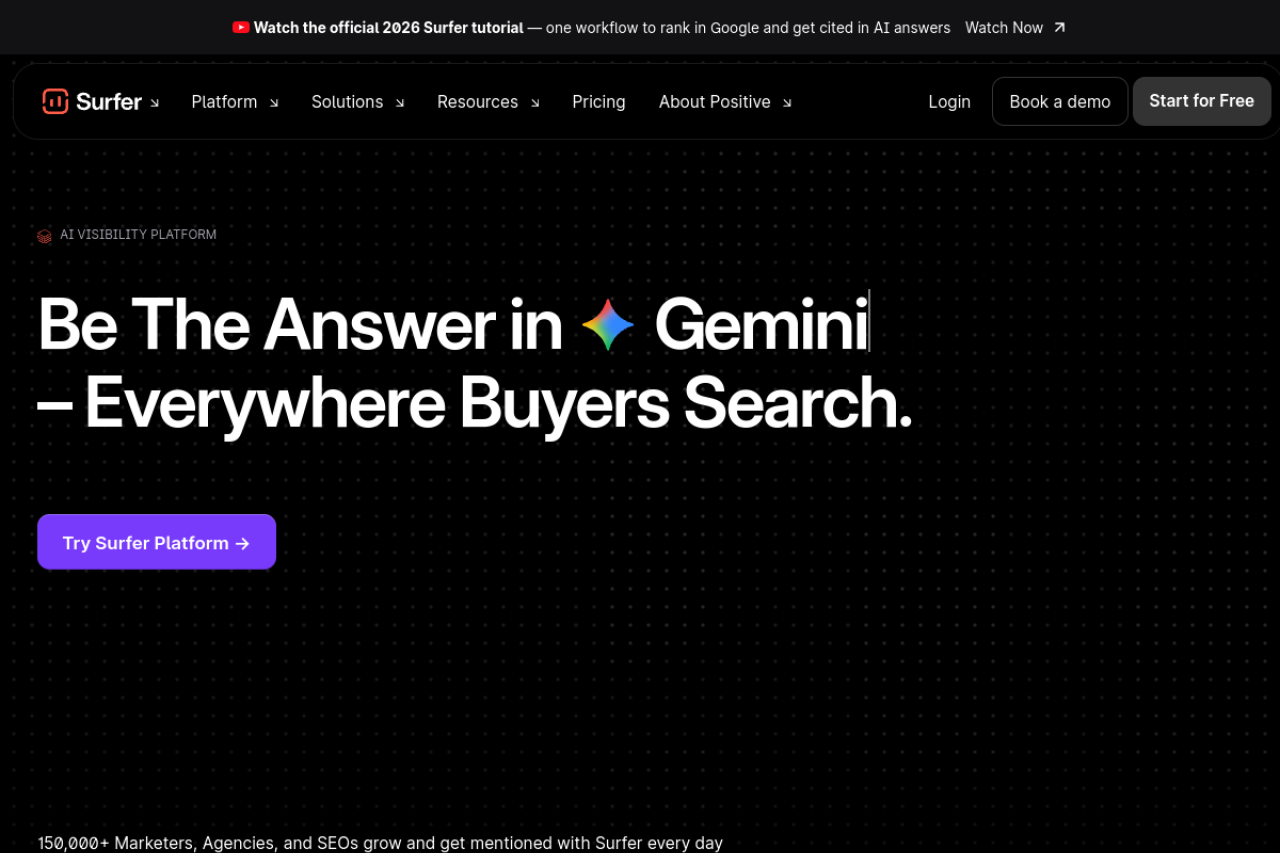
Surfer SEO focuses on content optimization and keyword research. It scores your on-page work against SERP analysis and gives structured writing guidance.
Best for. Teams that want a clear writing workflow tied to Google ranking signals. Its on-page guidance is strong, but it does not track AI citations or brand mentions inside AI assistants.
Clearscope
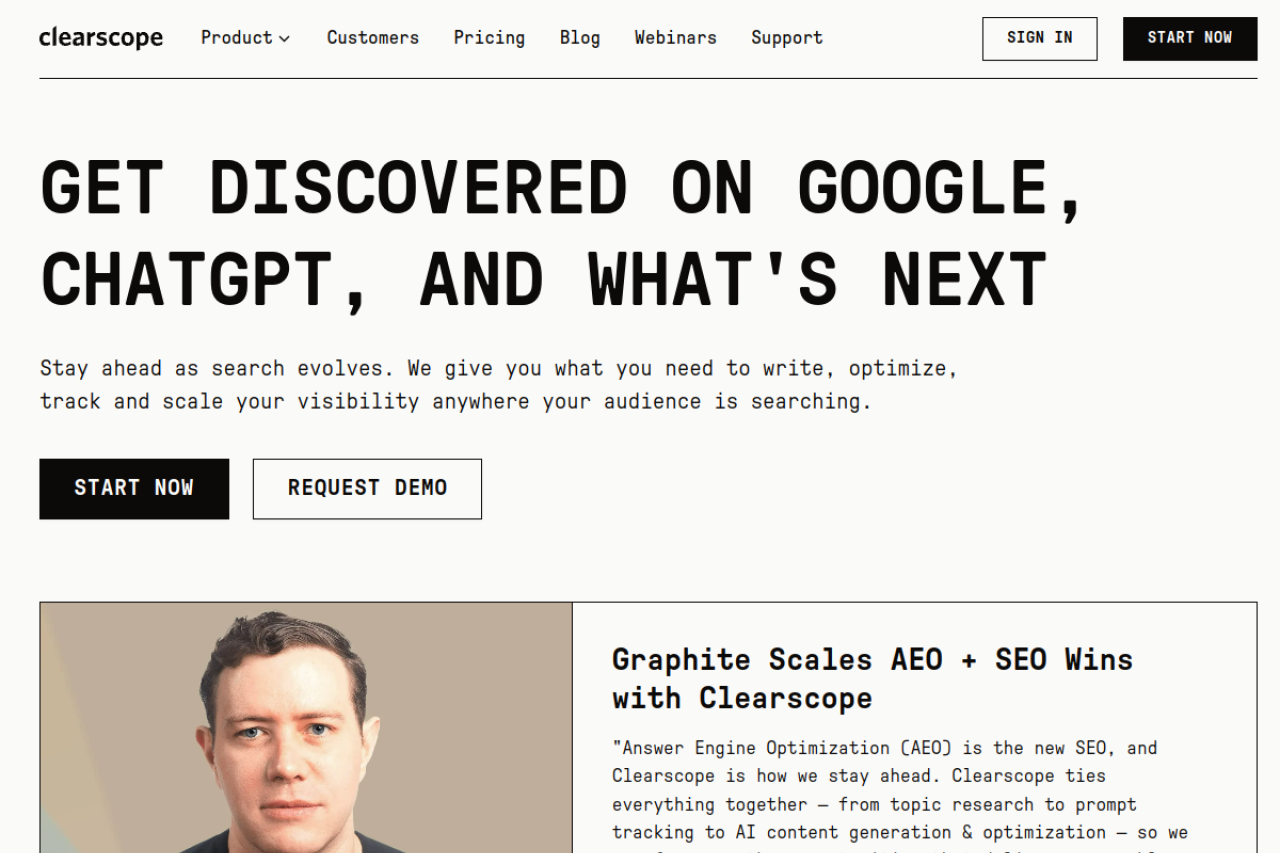
Clearscope is a content brief and optimization platform. It offers a clean editor and grades your content on keyword coverage.
Best for. In-house content teams optimizing existing articles for Google rankings. Readability and keyword coverage are excellent, but there is no AI-visibility monitoring or gap analysis tied to AI answers.
Profound
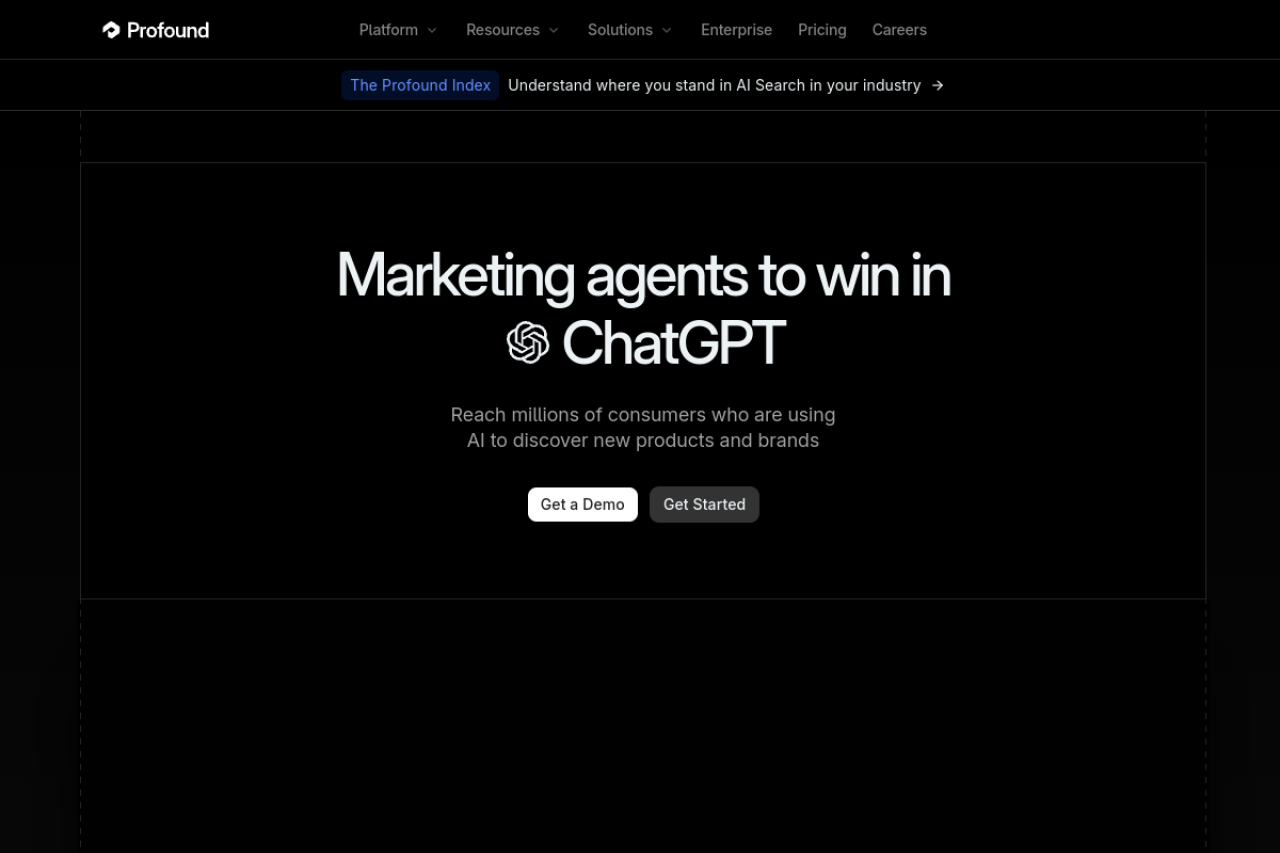
Profound is an AI-search monitoring tool. It tracks brand mentions across large language models for teams that want dedicated citation tracking.
Best for. Enterprise teams that want AI-citation tracking as a standalone product. It focuses on monitoring only and does not produce or publish content to close the gaps it surfaces.
Peec AI
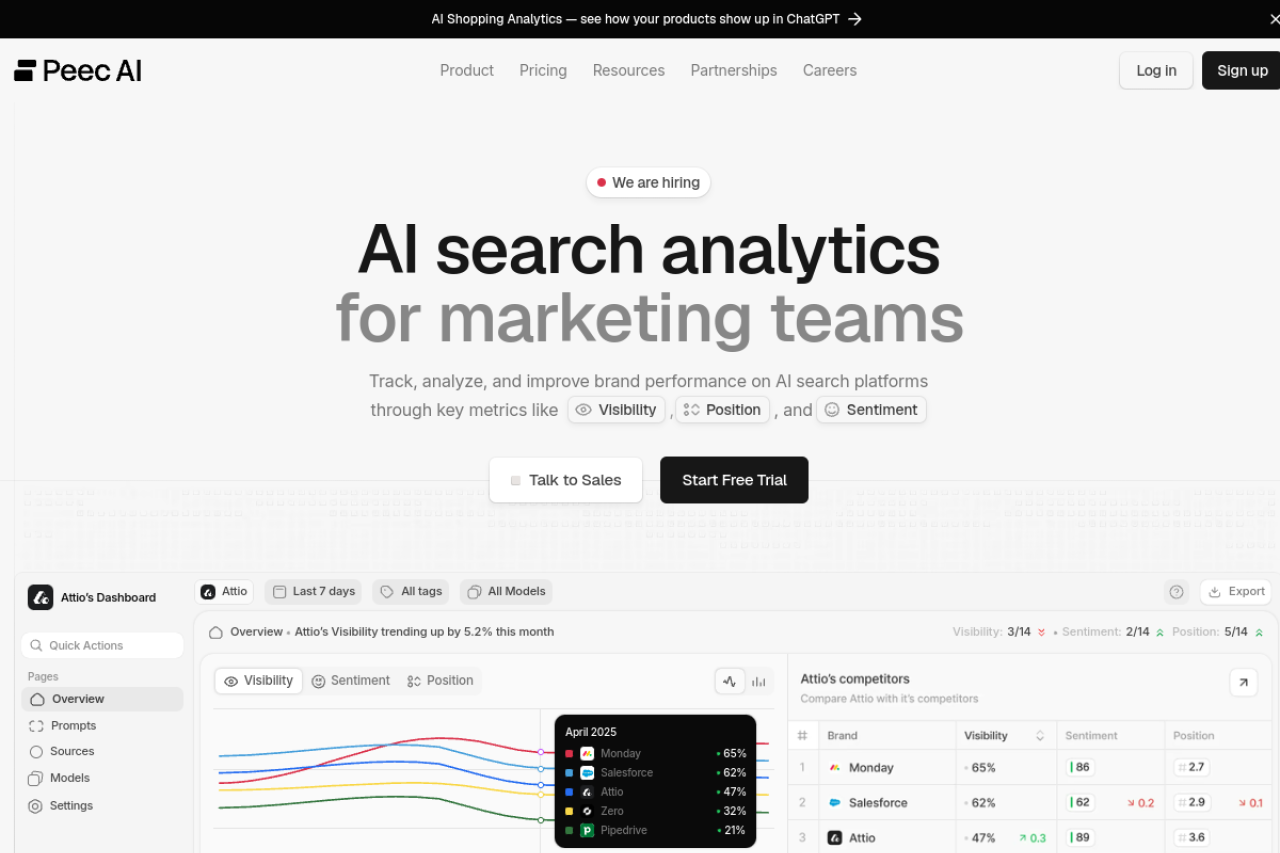
Peec AI measures brand presence in AI-generated answers. It helps you benchmark your share of AI answers against competitors.
Best for. Marketers who want to compare their AI-answer visibility to rivals. It tracks presence well but includes no built-in content creation or Google ranking integration.
For a wider field, our roundup of the best AI visibility tools compares more options side by side.
Pick your channel mix and start closing the gaps
Your answer to seo vs sem comes down to runway. Short runway means SEM first for demand you can capture today. Longer runway means invest in SEO and AEO now, so returns compound.
The biggest mistake is treating search as two channels when it is three. Google organic, paid search, and AI answers all shape the buying decision. Skip AI-search visibility and you fund SEO that competitors quietly outrank in the answers customers actually read.
Here is the leverage. Content that wins AI citations also ranks in Google. The same investment pays twice, which stretches every dollar of your search marketing budget further.
Rankblocks closes the full loop. Content Gap Analysis finds where competitors get found and you do not. The AI Content Writing Engine publishes content that wins citations in ChatGPT, Perplexity, and Google AI Overviews. The AI Visibility Monitor proves the return, all in one platform with no agency retainer.
Want to see exactly where rivals get cited and you stay invisible? Run a free audit and start with a Content Gap Analysis today.
Frequently asked questions about SEO vs SEM
What is the difference between SEO and SEM for a small business?
SEO earns organic traffic through content and authority with no per-click cost, while SEM buys paid clicks through Google Ads. SEO builds a lasting asset, but SEM delivers traffic within hours. Most small businesses need both, sequenced by their runway and stage.
How do I decide whether to spend my budget on paid search or organic?
Base the paid search vs organic decision on runway. Short runway favors SEM because you capture demand today, while a runway of 12 months or more favors SEO that compounds over 9 to 12 months. Start with SEM to bridge the gap, then shift budget to organic as rankings climb.
Can you run SEO and SEM at the same time on a limited budget?
Yes, and it often works better than picking one. Use your SEM data to find converting keywords, then brief SEO content around that proven demand. A common starting split tilts toward one channel or the other, shifting toward SEO as your content library grows.
How much should a B2B company spend on SEO per month?
Most small-to-mid B2B companies spend $500 to $5,000 per month on SEO, depending on competition and content volume. Higher-intent, higher-deal-size niches justify the top of that range. Treat the spend as an asset that keeps returning after you pay for it.
Where does AI-search visibility fit in a search marketing budget?
AI-search visibility is not a separate line item. Content that wins citations in ChatGPT, Perplexity, and Google AI Overviews also ranks in Google, so it lives inside your existing SEO budget. Fund it as the way you structure content, not as a new channel to bolt on.