 Rankblocks
AI Search Engine Optimization: How to Rank in AI Answers
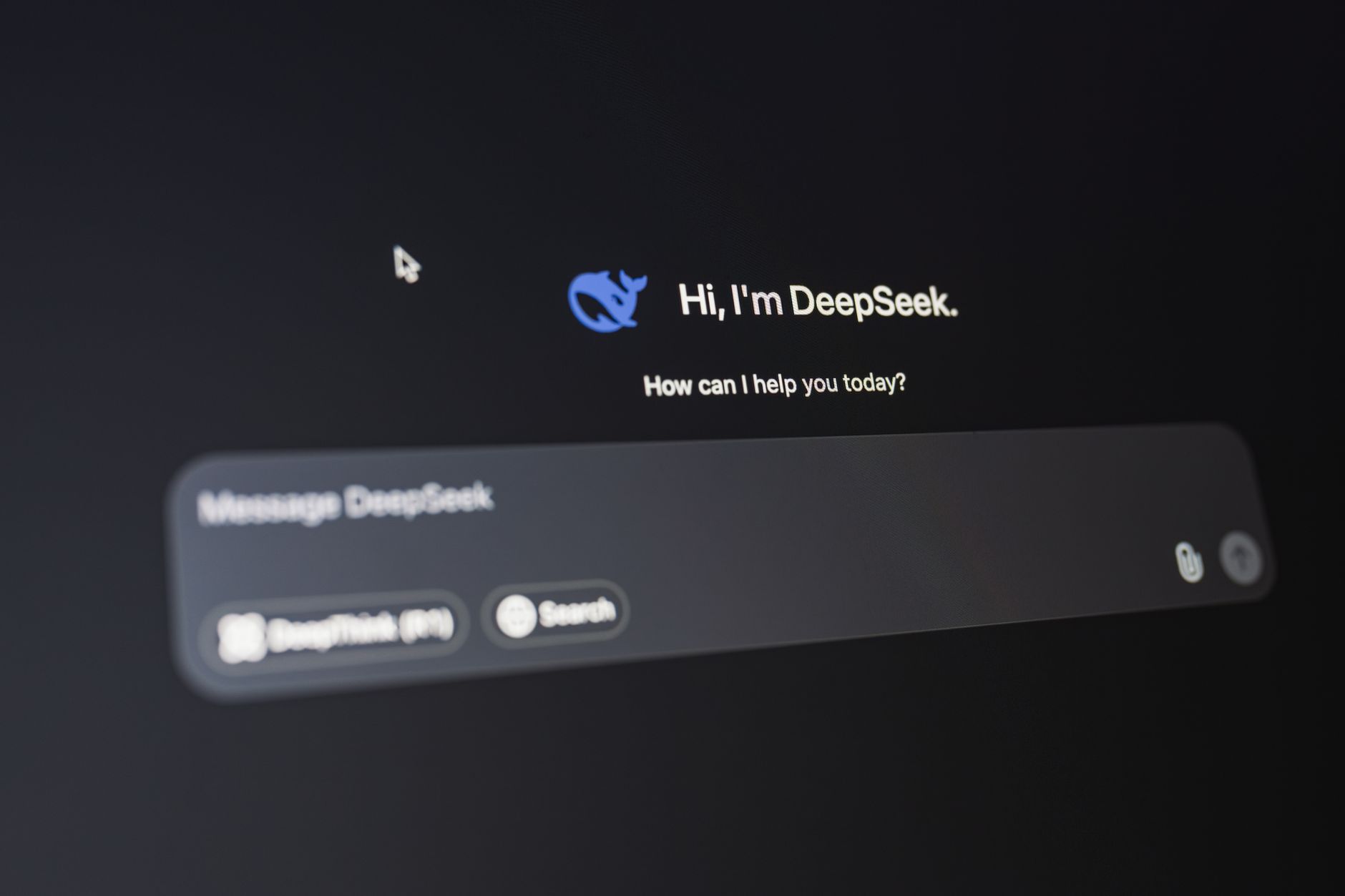
Generative AI changed what ranking means. ChatGPT, Perplexity, and Google AI Overviews now answer buyer questions before anyone scrolls to the blue links. If your brand is missing from those answers, you lose traffic you used to own.
The shift cuts two ways. AI rewrites how search engines work, so how generative AI assists in search engine optimization now depends on whether machines can read and cite you. At the same time, AI hands SEO teams faster tools to research, write, and measure.
This article delivers a signal-level framework to earn AI citations today. You will get the exact content signals LLMs reward, an audit method, and a repeatable workflow you can run this sprint.
What generative engine optimization actually means for Google search
Generative engine optimization, or GEO, means competing to be cited inside AI answers, not just ranked in a list of results. With classic SEO you fight for position. With GEO you fight to be summarized, referenced, and recommended.
LLMs build these answers with retrieval augmented generation, or RAG. The model pulls passages from indexed pages, then composes a response from them. If your page holds the clearest passage, the AI quotes you and names your brand.
The scale is already massive. ChatGPT reaches over 900 million weekly users, Gemini surpasses 750 million monthly users, and AI Overviews appear in at least 48% of all searches. That is where your buyers now start.
AEO, GEO, and classic SEO are not three separate jobs. Answer engine optimization targets direct answers and snippets. GEO targets citations across AI platforms. Both rest on the same foundation SEO always demanded, authority, structure, and genuinely helpful content. The GEO vs AEO distinction is a lens, not a fork in your workflow.
How AI systems decide which content to cite
LLMs score content for citation across three axes: relevance to the query, authority signals, and clarity of the answer. A page that ranks well on Google can still lose citations if it buries the answer under 400 words of preamble.
Topical authority matters more than any single page. When you publish consistently around one topic, AI systems learn to associate your brand with it. That association is exactly why some competitors get cited on prompts you have never targeted.

Unlinked brand mentions carry real weight too. When third-party sites name your brand without a hyperlink, LLMs still register the mention as an authority signal. Google confirmed brand mentions influence how models understand entities. This is why ChatGPT recommends competitors that show up across more sources than you do.
Query fan-out changes the target
One buyer question rarely triggers one lookup. Modern AI search uses query fan-out, breaking a single prompt into multiple sub-queries. Each sub-query pulls a different page.
Ask an assistant "best CRM for a law firm" and it fans out into pricing, integrations, and reviews. Thin or vague pages answer none of those sub-queries well. They get skipped even when they rank, because clarity beats keyword density inside RAG.
The content signals that win AI citations
Citation-worthy content follows a pattern you can copy. Open with the exact question a buyer would type, then answer it in the very first sentence. AI systems reward pages that resolve intent immediately.
Back the answer with evidence. Statistics, direct quotes, and data get cited far more than editorial opinion. A page with a concrete number is a citable fact. A page with adjectives is a passage the model skips.
Structure the page for machine parsing. Short paragraphs, numbered lists, and a clean H2 and H3 hierarchy help LLMs isolate the passage they need. Wall-of-text pages hide their best sentences from retrieval.
The signals that consistently earn citations include the following.
- Direct question-answer openings that state the answer before context, matching how buyers phrase prompts.
- Citable evidence like statistics, dated figures, and named quotes rather than vague claims.
- Scannable formatting with short blocks, tables, and lists that survive passage extraction.
- Conversational headings phrased the way people talk to assistants, not keyword-stuffed fragments.
- E-E-A-T proof including author credentials, cited sources, and brand mentions across trusted third-party sites.
Match your language to buyer prompts, not to a keyword tool. People ask AI assistants full questions. Your headings and first sentences should mirror that phrasing to raise your citation probability.
GEO vs AEO vs classic SEO, one discipline through three lenses
All three lenses reward the same underlying work. The difference sits in the goal, the metric, and the primary signal each one optimizes for. Treat them as one connected practice and you write once to win everywhere.
| Lens | Goal | Success metric | Primary signal |
|---|---|---|---|
| Classic SEO | Rank in the blue links | Position and organic clicks | Backlinks, crawlability, on-page relevance |
| AEO | Appear as the direct answer | Featured snippet and voice wins | Concise question-and-answer content |
| GEO | Get cited in AI responses | Citations and brand mentions | Topical authority and citable passages |
Classic SEO still drives blue-link position through backlinks, crawlability, and on-page relevance. Those fundamentals feed every Google search website ranking you already track. Ignore them and both snippets and AI citations dry up.
AEO wins the featured snippet and voice result through concise Q&A content. GEO earns citations and brand mentions inside AI-generated responses across ChatGPT, Perplexity, Claude, and Gemini. The same passage that wins a snippet often wins the AI citation too. This is why ranking in AI search engines starts with content that already serves classic search.
How to audit your AI visibility and find the gaps
Start with manual prompt tests. Ask ChatGPT, Perplexity, and Gemini your target buyer questions, then log who gets cited. Do this for ten to fifteen core prompts and a pattern appears fast.
Map the gap next. List every competitor brand that shows up in AI answers where yours does not. That list becomes your priority backlog, because those are prompts sending your buyers elsewhere right now.

Cross-reference your Google Search Console data. Striking-distance keywords, the ones ranking positions eight to twenty, often reveal exactly the topics AI pulls from. A Google Search Console SEO tool surfaces those quickly so you prioritize by real demand.
Audit by topic, not by keyword
Single keywords miss the bigger picture. Identify content gaps by topic cluster. A missing cluster leaves an entire category of prompts unanswered, and AI systems will never associate you with a topic you barely cover.
Prioritize by search volume and buyer intent, not by what is fastest to draft. A high-intent commercial prompt with modest volume often beats a high-volume informational one. Build your search engine optimization strategies around where revenue actually lives.
A repeatable workflow for earning and measuring AI citations
Turn the audit into a system you run every sprint. Five steps take you from prompt research to closed-loop measurement without waiting on an agency.
- Research prompts, not just queries. Collect the exact questions buyers type into AI tools alongside your usual Google search optimization keywords. The phrasing differs, and the difference decides who gets cited.
- Write citation-engineered content. Open every article with a direct answer, then back it with data. Structure it for passage extraction so RAG can lift your best sentence cleanly.
- Publish at a consistent cadence. Topical authority compounds with volume over time. Ten strong articles in a cluster beat one, because AI learns the association through repetition.
- Build offsite brand mentions. Digital PR, guest posts, and community presence create the unlinked mentions AI weighs. More trusted sources naming you means more citations across platforms.
- Track citations beside rankings. Measure citation growth and keyword positions in one dashboard. Without that loop you cannot prove the AEO content strategy is working.
This workflow suits solo operators and full teams alike. If you are weighing in-house effort against outside help, the tradeoffs in freelance search engine optimization apply directly to how you staff steps two and four.
Stop guessing which AI answers mention your brand
Here is the takeaway. SEO, AEO, and GEO form one discipline, so act on all three at once. Citation-engineered content wins AI answers and classic Google rankings from the same page, no separate playbook required.
That is exactly the loop Rankblocks automates. The AI Visibility Tracker shows which prompts cite competitors instead of you. The Content Gap Analysis pinpoints the missing topics, and the AI Content Writing Engine publishes citation-ready articles at scale.
Rankblocks then closes the reporting gap most stacks ignore. AI citations, brand mentions, and keyword rankings sit in one dashboard, so how generative AI assists in search engine optimization stops being theory and becomes a metric you report to leadership. Track what a leading AI visibility metrics platform surfaces so nothing falls through the cracks. The marketing analytics that matter finally live in one place.
Want to see where AI answers send your buyers right now? Run your AI audit and find the gaps in minutes.
Frequently asked questions about generative AI and search engine optimization
How has AI changed the way search engines rank content?
AI now answers questions directly through ChatGPT, Perplexity, and AI Overviews before showing links. Ranking now means earning citations inside those answers, not only holding a position. Content that resolves intent clearly and carries strong authority signals gets pulled into responses, so structure and topical depth matter more than ever.
What is the difference between AEO, GEO, and traditional SEO?
Traditional SEO fights for blue-link position through backlinks and on-page relevance. AEO targets direct answers in featured snippets and voice results with concise Q&A content. GEO earns citations and brand mentions inside AI-generated responses. All three reward the same foundation of authority, clear structure, and helpful content, so you optimize once.
Why do some pages earn AI citations even when they rank lower on Google?
AI systems reward clarity and citable evidence, not just backlinks. A page ranking position twelve can still hold the cleanest passage answering a specific sub-query. Retrieval augmented generation lifts that passage regardless of Google position, so a well-structured, data-backed page often out-cites a higher-ranked but vaguer competitor.
What content formats get cited most often by AI search platforms?
Direct question-answer openings, statistics, named quotes, and short scannable paragraphs get cited most. Numbered lists and clean H2 and H3 hierarchies help LLMs isolate passages. Pages that state the answer in the first sentence and back it with a concrete number consistently outperform opinion-heavy editorial content in AI answers.
How do I measure AI citation growth alongside my regular keyword rankings?
Track both in one dashboard so you can prove the connection. Log which prompts cite your brand across ChatGPT, Perplexity, and Gemini, then pair that with daily keyword positions and Search Console clicks. Watching citations and rankings together closes the loop and shows leadership exactly what your content earned.