 Rankblocks
Best Search Engine Optimization Tools for AI-Era Search
Most "best SEO tool" lists still stop at Google rankings. That worked when buyers scrolled ten blue links. It does not work now, because buyers ask ChatGPT, Perplexity, and Gemini first.
Roughly 60 to 68% of U.S. Google searches end without a click. If your agency tracks only rankings, you measure half the game. Buyers already moved to AI answers, and your reporting has not caught up. SparkToro's 2026 research confirms 68% zero-click rate, up from 60% in 2024, with AI Overviews cutting click-through rates by nearly 60% when they appear.
This piece maps the best search engine optimization tool options across five workflow pillars. Keyword research, rank tracking, content gaps, AI visibility, and automated publishing. Every pick had to cover classic rankings, track AI citations, scale across clients, or offer white-label reporting.
What makes the best search engine optimization service for agencies today
The finish line moved. Google rankings still matter, but AI answer engines now decide which brands buyers see first. Your stack must cover both or your clients lose visibility you never even tracked.
A modern agency stack needs five workflow pillars. Skip one and you leave a gap a competitor fills.
- Keyword research to find the queries clients should own
- Rank tracking to catch position drops before traffic erodes
- Content gap analysis to see what competitors rank for and clients do not
- AI visibility monitoring across ChatGPT, Claude, Gemini, and Perplexity
- Content production to write and publish at client scale
White-label and unified reporting are non-negotiable. Clients demand monthly proof, and stitching data from four platforms wastes billable hours. One fragmented workflow can eat a full day per client each month.
Treat AEO, GEO, and classic SEO as one discipline. Content that earns AI citations also ranks on Google, and the GEO vs AEO split matters less than most tools pretend. The same content wins both surfaces. SE Ranking's 2026 study found website traffic from AI engines grew 16x from 2024 to 2026, with Claude alone up 320% year over year.
Top 8 best search engine optimization tools for agency workflows
Here are eight tools ranked by how well they fit a multi-client agency stack. Each entry covers what it does, who it suits, and where it falls short.
Rankblocks
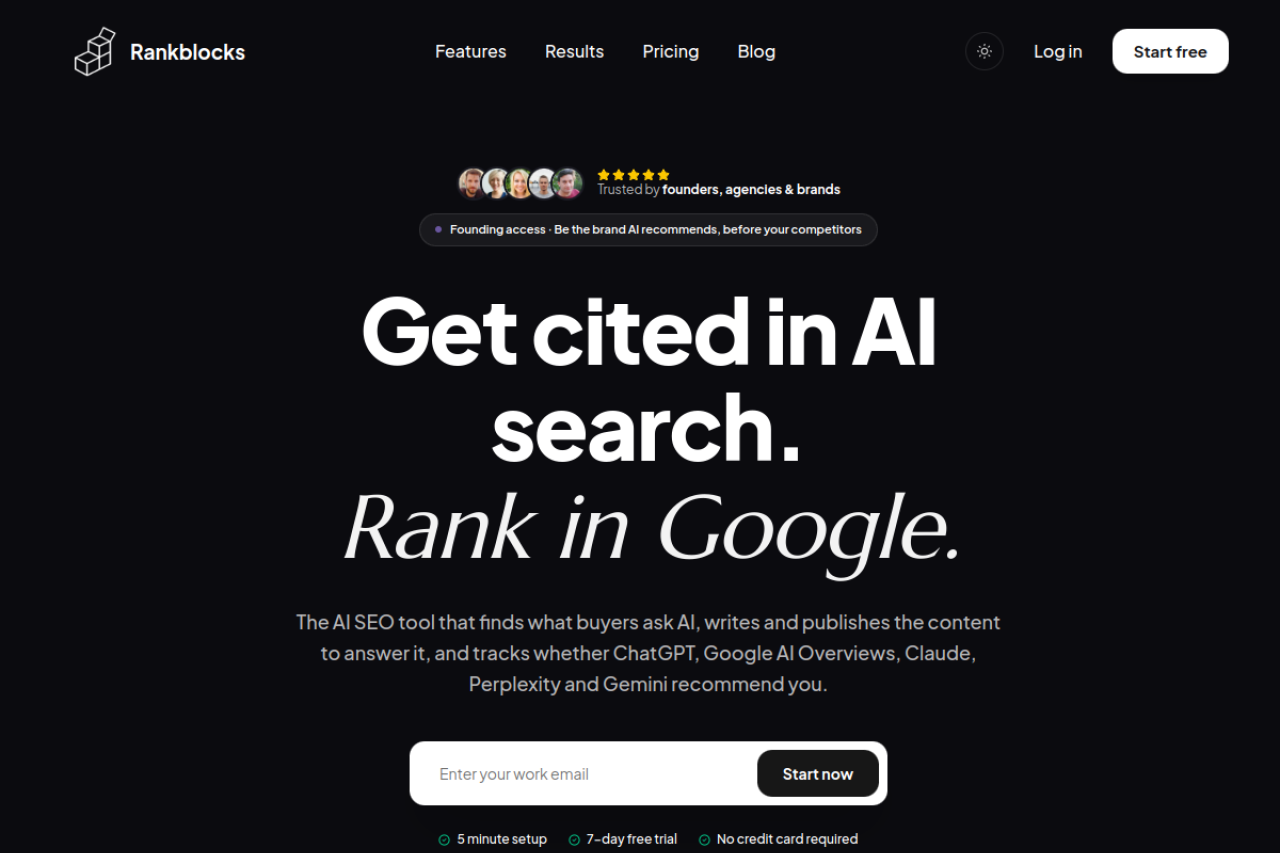
Rankblocks runs a closed loop. It finds buyer questions where a client brand is invisible in AI answers, writes and publishes content built to earn citations, then measures results in one dashboard.
The AI Visibility Tracker monitors ChatGPT, Claude, Gemini, and Perplexity daily. You see which prompts surface a client and which recommend competitors instead. That answers the question clients now ask constantly.
The Content Gap Analysis and AI Content Writing Engine replace three or four separate tools. The Live GSC Dashboard and Keyword Tracker keep classic ranking data in the same place.
Best for: agencies that need Google rankings and AI citation results without a bloated stack. It covers all five pillars, so AI visibility tools and content production live under one login.
Semrush
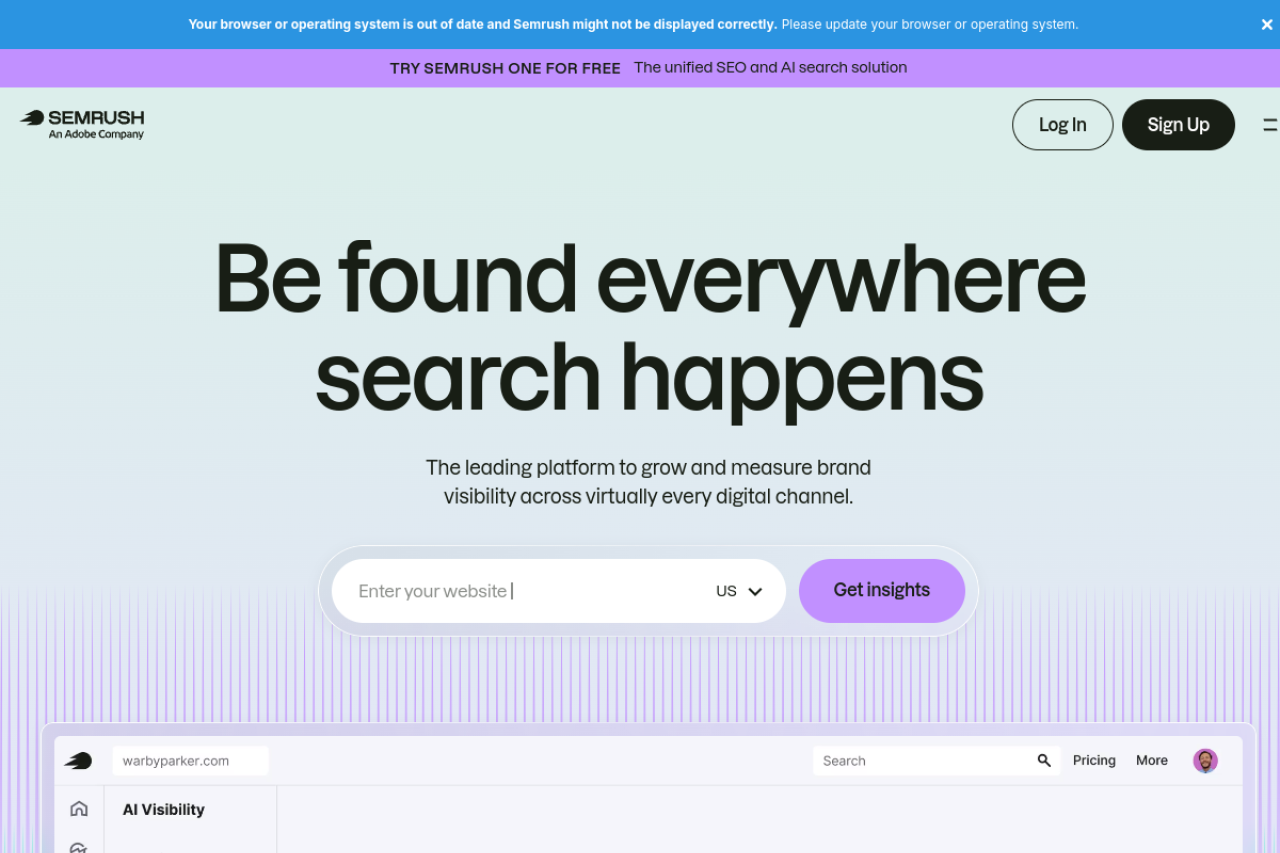
Semrush is the dominant all-in-one for keyword research, site audits, and competitor intelligence. Its database depth is hard to match, and the Agency Growth Kit adds white-label reporting plus client portals.
The gap sits in AI. Semrush offers no native citation tracking across ChatGPT, Perplexity, or Gemini, so you cannot prove AI visibility from it.
Best for: agencies that need deep backlink and technical SEO data at scale and already handle AI monitoring elsewhere.
Ahrefs
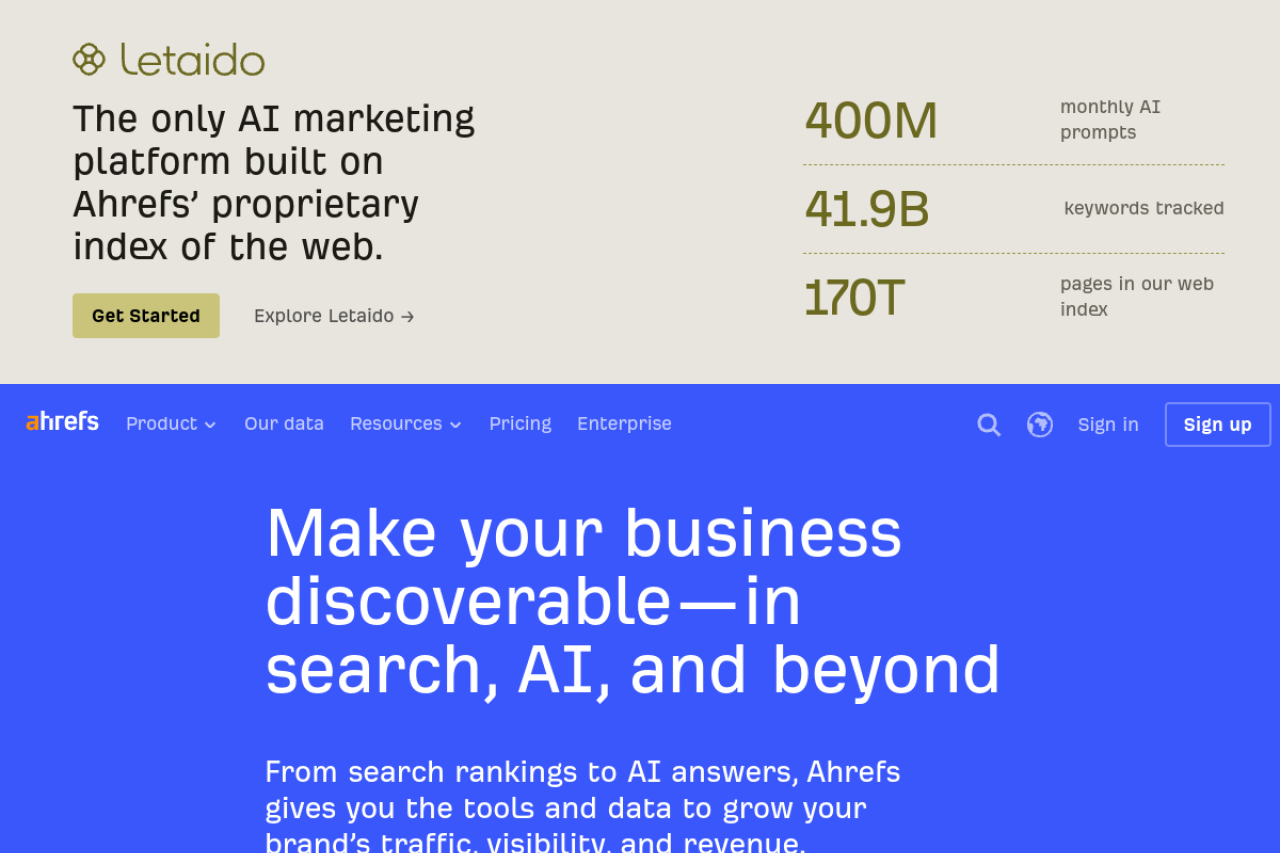
Ahrefs owns best-in-class backlink analysis and a huge organic keyword database. Its rank tracker gives position history and SERP snapshots that make audits fast.
But it stays purely Google-focused. Zero AI visibility monitoring means you have no view into whether a client appears in AI answers.
Best for: agencies where link building and competitor keyword gaps drive the core deliverable. As an SEO keyword search tool, few match its data.
Clearscope
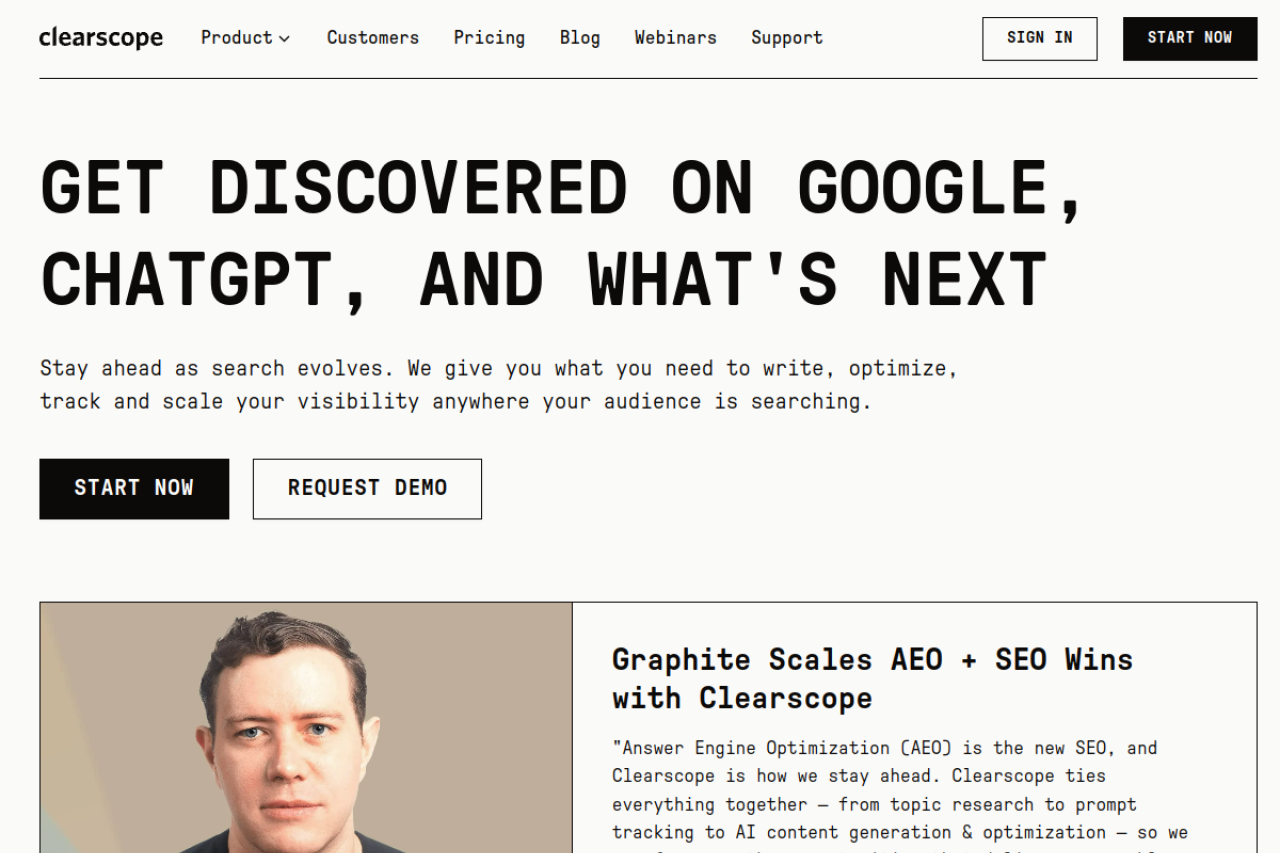
Clearscope grades content against top-ranking pages for on-page keyword coverage. The editor integrates with Google Docs and WordPress, so content teams work fast inside a clean interface.
It does one job well and nothing else. No rank tracking, no AI citation monitoring, no publishing automation. For search engine optimization copywriting, it sharpens drafts but never finds gaps or measures results.
Best for: agencies that already have research and tracking covered and need on-page grading.
Mangools
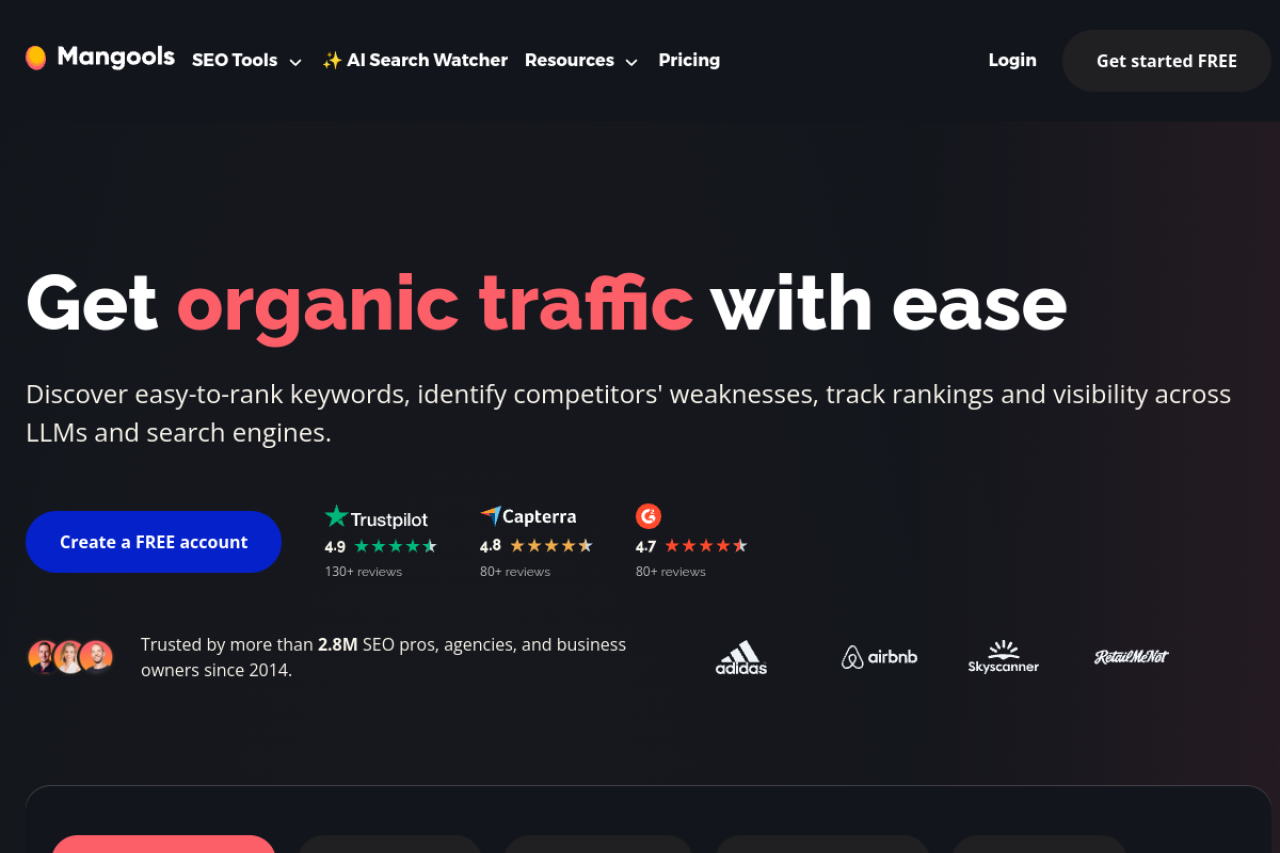
Mangools bundles five tools. KWFinder, SERPChecker, SERPWatcher, LinkMiner, and SiteProfiler. The learning curve is low, the UI is clear, and the entry price fits tight budgets.
The tradeoffs are real. No AI visibility layer, no content gap automation, and limited white-label options for client-facing work.
Best for: small agencies or freelancers who need reliable keyword and rank data cheaply. It pairs well with a freelance search engine optimization workflow.
Profound
Profound monitors AI answer engines for brand citations in LLM responses. It tracks prompt-level mentions across major AI platforms, which makes it a solid standalone AI monitor.
That focus is also the limit. No keyword research, no rank tracking, no content writing or publishing. You still need a full SEO stack beside it.
Best for: enterprise teams with an existing SEO stack who want dedicated AI monitoring. Compare it against other AI visibility tools before you commit budget.
Peec AI
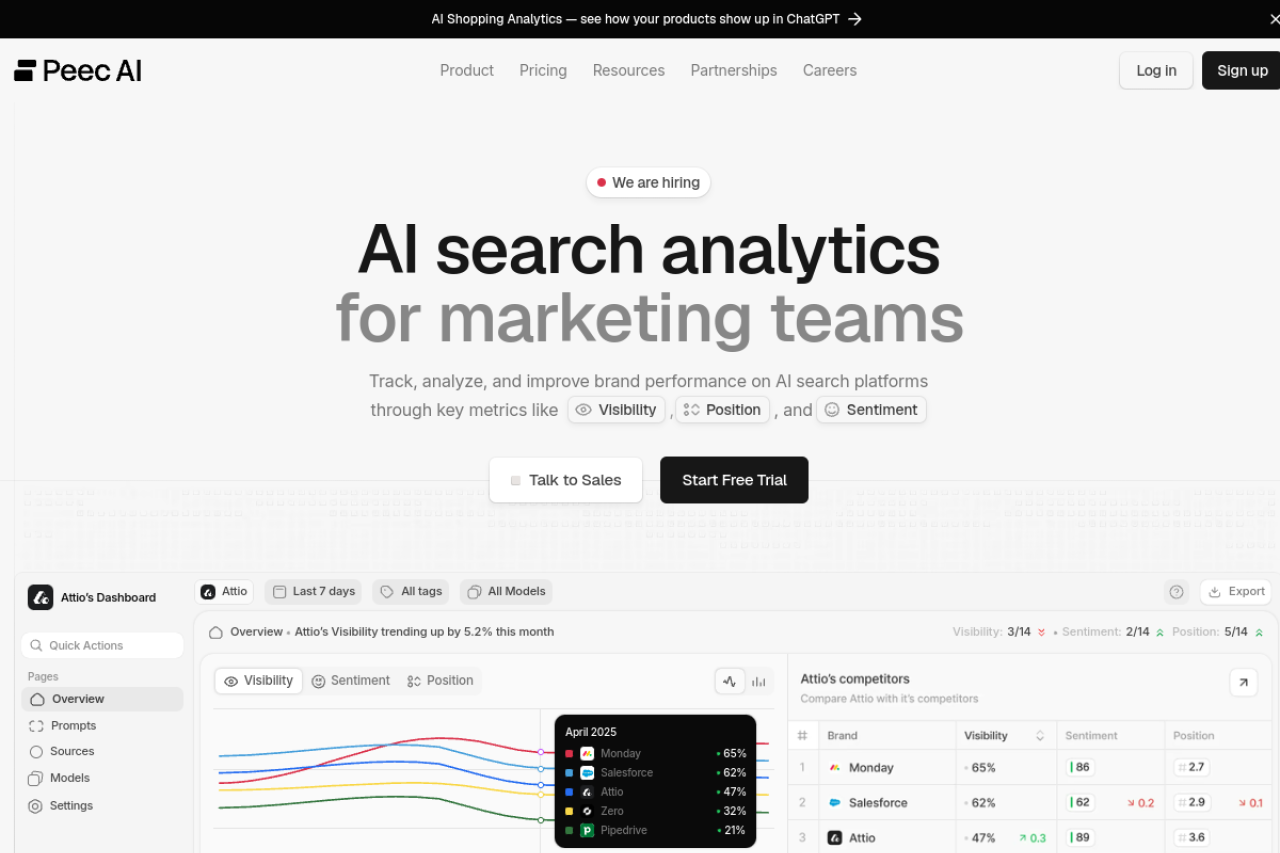
Peec AI tracks AI search visibility focused on brand and competitor mentions in generative answers. It benchmarks AI share of voice against specific competitors, which helps positioning conversations.
It covers no classic SEO. No keyword tracker, no GSC integration, no content production. It is a point solution, not a stack.
Best for: brands that need AI mention monitoring alongside an existing SEO platform. On its own it leaves the why ChatGPT recommends competitors problem unsolved because it never writes the fix.
Screaming Frog SEO Spider
Screaming Frog is the industry-standard desktop crawler for technical audits. It finds broken links, redirect chains, missing meta tags, and duplicate content at scale.
It stays in its lane. No AI visibility, no content writing, no rank tracking. It is a crawl and audit tool, full stop.
Best for: agencies that run deep technical audits before content work begins. Use it as an SEO optimization checker, then build content elsewhere.
At a glance: how these tools compare across the agency stack
Here is how the eight tools cover the five agency pillars plus white-label reporting.
| Tool | Keyword research | Rank tracking | Content gap | AI citation tracking | Auto publishing | White-label |
|---|---|---|---|---|---|---|
| Rankblocks | Yes | Yes | Yes | Yes | Yes | Yes |
| Semrush | Yes | Yes | Yes | No | No | Yes |
| Ahrefs | Yes | Yes | Yes | No | No | Partial |
| Clearscope | No | No | Partial | No | No | No |
| Mangools | Yes | Yes | No | No | No | Limited |
| Profound | No | No | No | Yes | No | Partial |
| Peec AI | No | No | No | Yes | No | Partial |
| Screaming Frog | No | No | No | No | No | No |
Only Rankblocks covers all six columns in one platform. Everything else forces you to stack.
The cost reality bites here. Semrush plus Profound plus Clearscope means three separate invoices and three logins. Ahrefs, Mangools, Screaming Frog, and Clearscope all share the same AI visibility blind spot, so none of them tell you if a client shows up in AI answers.
How to pick the right SEO tool for your agency's client mix
Start with your dominant deliverable, not the feature list. Rankings, AI citations, content production, or technical audits each point to a different tool.
Run this decision filter before you buy anything.
- Name the gap first. Is it Google-only or Google plus AI answers? Match the tool to the gap, never the reverse.
- Check the budget math. One closed-loop platform versus three or four point solutions. Add the hidden management overhead of switching between them.
- Test multi-client scale. Does it support project limits, team permissions, and white-label reports without per-client surcharges?
- Confirm AI readiness. When a client asks whether their brand appears in ChatGPT answers, which tool on your stack answers that today?
Budget logic matters more than sticker price. A cheap point tool that needs three companions costs more than one platform once you count the hours. Fair search engine optimization pricing accounts for total workflow, not just the monthly fee.
Multi-client scale is where most stacks break. If a tool charges per client or caps projects hard, your margins shrink as you grow. The right platform lets you add accounts without adding headcount, which is the whole point of automation.
AI visibility readiness separates modern agencies from legacy ones. Buyers ask AI assistants for recommendations before they visit a page. If you cannot report on that, you are guessing at marketing analytics that clients increasingly demand.
Build an agency stack that wins on Google and in AI answers
Agencies that track only Google rankings measure half the game buyers now play. The other half runs through ChatGPT, Perplexity, Gemini, and Google AI Overviews, where a citation drives the click your report never sees.
The right stack closes the loop. It finds gaps, writes content to fill them, publishes it, then measures AI citations and rankings together. Rankblocks does all five workflow pillars in one platform, so you cut tool-switching and stack the invoices into one.
That makes it the best search engine optimization tool for agencies tired of stitching four dashboards each month. A free trial gets client AI visibility data live in under ten minutes with no technical setup.
Want to see exactly where your clients stay invisible in AI answers before a competitor gets cited first? Check your visibility now.
Frequently asked questions about the best search engine optimization tools
Which SEO tools also track brand citations in ChatGPT and Google AI Overviews?
Rankblocks, Profound, and Peec AI track AI citations across ChatGPT, Perplexity, Gemini, and similar engines. Rankblocks goes further by writing and publishing content to earn those citations, while Profound and Peec AI only monitor. Legacy tools like Ahrefs and Semrush offer no AI citation tracking at all.
What is the best SEO tool for agencies managing multiple clients at once?
For multi-client work in 2026, pick a platform that combines rankings, AI visibility, and white-label reporting without per-client surcharges. Rankblocks covers all five workflow pillars in one login, which cuts the overhead of managing separate tools. Semrush suits agencies that need deep backlink data but handle AI monitoring elsewhere.
How do I find keyword gaps that competitors rank for but my clients do not?
Use a content gap analysis tool that compares your client's rankings against direct competitors. Rankblocks, Semrush, and Ahrefs all surface topics competitors own, prioritized by traffic opportunity. Rankblocks then writes the content to close the gap, so you move from finding to publishing in one workflow.
Are there free SEO tools that deliver clear ROI without a big monthly budget?
Google Search Console and Google Analytics are the strongest free SEO tools for tracking clicks, impressions, and rankings. Free tiers from paid platforms give limited keyword and rank data useful for beginners or small teams. For AI visibility, a free AI audit shows whether ChatGPT mentions a brand before you commit any budget.