 Rankblocks
How to Rank on ChatGPT: Signals That Actually Work
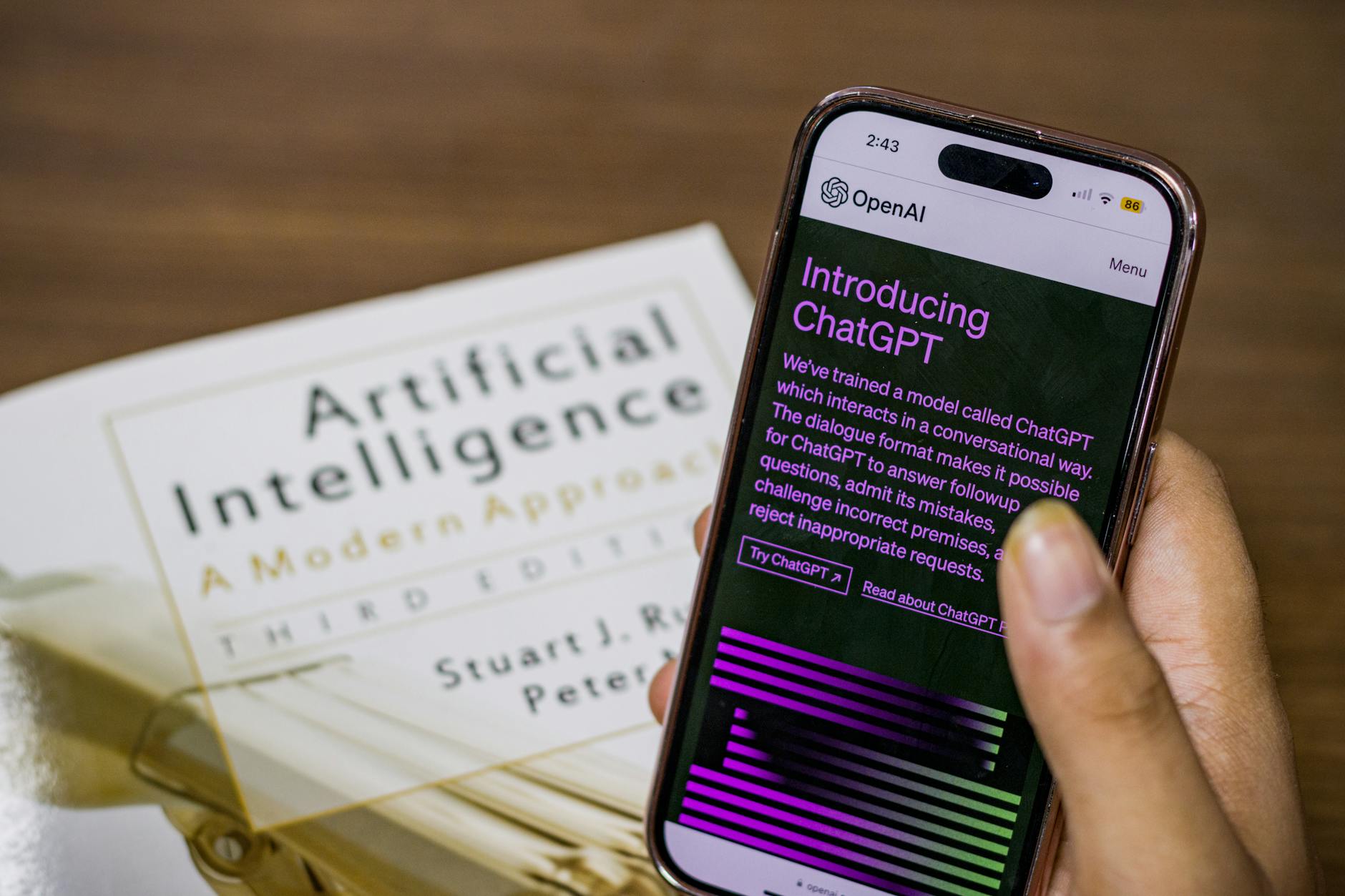
ChatGPT does not rank pages the way Google does. It cites sources and mentions brands inside a written answer. That is the core shift you have to plan around.
Hundreds of millions of people now ask ChatGPT before they open Google, with the platform reaching 900 million weekly active users worldwide as of early 2026. When your brand is invisible in that answer, you lose the shortlist before the buyer ever clicks. Only a small slice of Google's top results overlap with ChatGPT citations, with research finding just 12% of AI-cited URLs ranking in Google's top 10, so the old playbook alone will not save you.
This article breaks down the confirmed signals behind ChatGPT citations. It connects them to Google AI and classic SEO, then hands you a repeatable monitoring loop you can run weekly. No theory, just the moves that get your brand cited.
What ChatGPT SEO and AEO actually mean for visibility
Ranking on ChatGPT means earning citations and brand mentions inside answers. There is no results page, no position one, no blue links to climb. You either show up in the response or you do not.
ChatGPT works in two modes. It recalls information from training data, and it retrieves live results through Bing-backed search, a pattern known as retrieval-augmented generation. Both modes decide which brands to surface, so you optimize for each.
This is where AEO, GEO, and classic SEO overlap instead of compete, and understanding the difference between GEO and SEO sharpens how you build that strategy. Content that earns AI citations also tends to rank in Google, because both reward depth, clarity, and trust. If you still ask what is SEO as a separate discipline, you are already behind.
Google grades on-page relevance and link signals. ChatGPT leans harder on how often your brand co-occurs with a topic across trusted sources. That difference matters when you plan content.
So the metrics change too. Citations and share of voice replace keyword positions as the numbers you report, and knowing which AI visibility metrics to track is how you prove the work. You measure how often ChatGPT names you, and whether it names you first or buries you under a competitor.
The core signals that drive ChatGPT citations
Six signals decide whether ChatGPT cites you or your rival. None of them are secret, but most teams ignore half of them.
Topical authority comes first. Publish consistent depth across a full cluster, not one thin post, and the model reads you as an expert. One article on a topic proves nothing.
Brand mention frequency carries real weight. When your brand and your topic appear together across many trusted sources, the model learns the association. Repeated co-occurrence is a signal you can build on purpose.
Content quality follows the E-E-A-T pattern Google already taught us. Lead with a direct answer in the first 40 to 60 words, then support it. Answer-first structure gives the model a clean quote to lift.

Off-page authority still counts, but breadth beats volume. A mention in a high-trust editorial source outweighs a pile of low-tier links. Where you get cited in AI answers depends on the company you keep.
Technical access decides whether the model can even read you. Add schema markup, and allow GPTBot and OAI-SearchBot in your robots.txt. Block those crawlers and you disappear from real-time retrieval.
Freshness closes the list. Pages updated recently tend to earn far more citations than stale ones. Set a habit of refreshing your key pages every 30 days and you stay in rotation.
How ChatGPT citation signals differ from Google AI Overviews
Google AI Overviews pull from Google's own organic index. ChatGPT Search pulls from Bing in real time. Same buyer question, different source pools, different winners.
The overlap between them is small. Research shows median domain overlap of just 10–15% between ChatGPT citations and Google rankings, so a Google win does not guarantee an AI win. That gap is why you cannot assume a Google win equals a ChatGPT win.
One optimized piece can still win both. Lead with a direct answer, back it with numbers, and earn third-party links. That combination satisfies the shared requirements across engines.
Here is the practical split.
| Engine | Rewards most | Best for |
|---|---|---|
| ChatGPT Search | Off-page mention breadth | Category and comparison prompts |
| Google AI Overviews | Solid organic rankings | Informational, high-volume queries |
| Rankblocks tracking | Both signal sets at once | Seeing where you win or lose |
Treat Google AI and ChatGPT as parallel targets, not identical ones. The difference between AI Overviews and ChatGPT shapes how you prioritize links versus on-page work. Plan for both from the same content, but measure them separately.
How to structure content that gets cited
Open every article with a direct answer in one or two sentences. The model scans for a quotable core, and a buried answer loses to a competitor who front-loads theirs. Put the payoff up top.
Write headings that mirror real buyer questions. Skip the keyword-stuffed labels and phrase headings the way a customer would ask ChatGPT. Question-shaped headings match the prompts people actually type.
Keep paragraphs short and quotable. A model should extract a claim without needing the paragraph above it for context. Two to three sentences per idea works best.
Land in "best for X" roundups and comparison posts. AI answers pull from these constantly when someone asks what to buy or which tool to pick. A mention inside a trusted roundup does heavy lifting for you.
Earn third-party mentions to build off-page authority.
- Pitch guest content to category publications your buyers already read
- Book podcasts where your topic and brand get named together
- Run PR that places your brand in editorial coverage, not just link farms
- Contribute expert quotes to journalist requests in your niche
Back every claim with a specific number or timeframe. Vague assertions do not get cited, because the model prefers sources that sound precise and verifiable. A content-centric SEO approach that pairs structure with proof wins across engines.
How to find the questions where your brand is invisible
Start with a prompt audit. Test 30 or more buyer-intent questions across three types: category prompts, competitor prompts, and problem prompts. Log where you surface and where a rival takes your spot.

Map competitor citation patterns next. When a rival shows up on a topic and you do not, that is a gap with a name. This is often why ChatGPT recommends your competitors instead of you.
Pull Google Search Console data to find keywords one position from the top. Bridge those near-miss keywords to the AI prompts a buyer would ask. A page one step from the top is a page one step from a citation.
Prioritize gaps by traffic opportunity and buying intent, not raw search volume. A low-volume question with high intent often converts better than a broad one. A keyword gap analysis ranked by opportunity keeps you focused on demand that pays.
Treat each gap as a content brief, not just a keyword. A brief tells you the question, the angle, and the proof points to include. That turns audit output into a publishing queue you can actually work through.
The citation tracking loop that proves results
Set a manual tracking baseline first. Run a fixed prompt set every week, then log mentions, citations, and the source domains ChatGPT pulled from. Same prompts, same day, every week, so you compare like with like.
Measure share of voice across ChatGPT, Perplexity, Google AI, and Claude on those same prompts. That tells you where you win and where you are shut out. One engine may love you while another ignores you.
Track your position in the answer, not just presence. A first mention beats a buried mention every time, because buyers read top down. Where you land inside the response is a metric worth logging.
Run this weekly at minimum. Citation rates can shift in days, not quarters, so a monthly check misses real movement. What you track for AI citations weekly, you can act on fast.
Connect each prompt change to a specific action. Tie a new citation back to a content update or a link you earned. That is how you prove causation and defend the work when you report up.
Turn your gap audit into a publishing and monitoring routine
Signal-building is a system, not a one-time content sprint. You find gaps, publish fixes, and track results, then repeat. The teams that win treat AI visibility as an ongoing loop.
Citations, brand mentions, and Google rankings reinforce each other from the same content. Write one strong, answer-first piece and it can rank, earn a mention, and win a citation at once. That is the payoff of treating search as one overlapping discipline.
Weekly tracking replaces the annual audit. What you measure weekly, you can improve monthly, because you catch drops before they cost traffic. Slow feedback loops let competitors take your spot unnoticed.
This is exactly where Rankblocks fits. The Content Gap Analysis finds the buying questions where you are invisible. The AI Content Writing Engine publishes content built for citations in your brand voice. The AI Visibility Monitor tracks whether ChatGPT, Perplexity, and Google AI now cite you or a competitor.
You run the whole loop in one platform, from gap discovery to publishing to citation proof. No fragmented tools, no agency retainer, no waiting on someone else to report results. Start by finding where you are invisible, then build the content that makes ChatGPT cite you instead of a rival.
Want to see which buyer questions surface your competitors and skip you? Run your visibility audit and find out today.
Frequently asked questions about how to rank on ChatGPT
How do I know if ChatGPT is already citing my brand?
Run a fixed set of buyer-intent prompts in ChatGPT and log whether your brand appears, gets cited, or gets skipped. Repeat the same prompts weekly to spot trends. A visibility monitor automates this so you track mentions and citations without manual checks.
How long does it take to start appearing in ChatGPT answers?
It varies by topic competitiveness and your existing authority, but movement often shows in weeks, not quarters. Fresh, answer-first content and new third-party mentions speed it up. Track weekly, because citation rates can shift in days once your signals improve.
Do I need separate content for ChatGPT and Google AI Overviews?
Usually no. One piece that leads with a direct answer and earns third-party links can win both. The engines pull from different source pools, so measure each separately, but write once with both targets in mind.
What is the difference between a citation and a brand mention in ChatGPT?
A citation is a linked source ChatGPT pulls from to build its answer. A brand mention names your company inside the text, with or without a link. Both matter, and you want to grow both, since mentions build the co-occurrence signal citations reward.
How often should I run a ChatGPT visibility audit for my brand?
Weekly is the minimum for active tracking, because AI citations are volatile and a source cited this week can vanish the next. A weekly cadence separates a real trend from noise. Reserve deeper gap audits for monthly or when you plan new content.